Author: A Reader

  • Ogopogo — Okanagan Lake, BC, Canada (1872–1968)

    Ogopogo — Okanagan Lake, BC, Canada (1872–1968)

    Cryptid Historical case When: First detailed settler report 1872; 1968 film  ·  Where: Okanagan Lake, British Columbia, Canada

    Status: Unverified — the legend developed from Indigenous water-spirit stories and later lake-monster lore; no body or clear evidence has been found.

    About the pin: The lake is about 84 miles long; pinned at Kelowna.

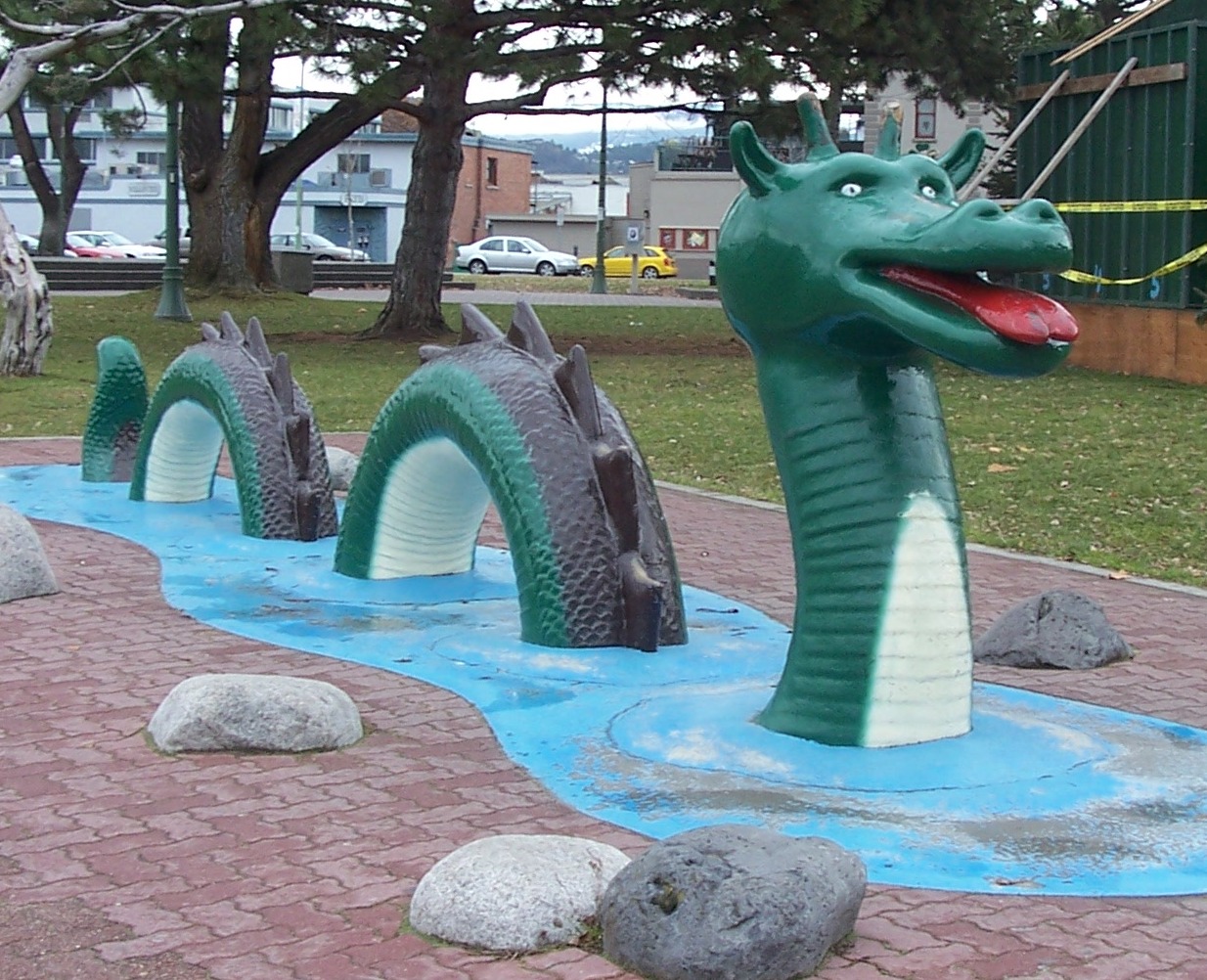
    A green sea-serpent statue with several humps beside a blue play pool in a Kelowna park
    An Ogopogo statue in a Kelowna, British Columbia park.
    Credit: Hamedog (English Wikipedia), cropped by Beyond My Ken / Wikimedia Commons · Licence: CC BY-SA 3.0 · Source

    Ogopogo is a lake monster said to live in Okanagan Lake in British Columbia, Canada. Some scholars trace its development from First Nations folklore and from widespread water-monster motifs, and today Ogopogo is part of the region's tourism and commercial branding.

    Susan Allison's 1872 report is considered the first detailed account from a white settler. According to the historian Mark Orkin, the creature got its colonial name on a night in 1924 when an English music-hall song was heard in Vernon, BC, although other sources suggest the name was in use earlier. In 1968, Art Folden filmed a large wake moving across the lake from Highway 97, and the footage has been analysed with computers.

    Ogopogo remains a legend and a symbol of the valley, with a statue in a Kelowna park. The film shows a wake, which can have natural causes, and no animal has been recovered.

    Sources: Wikipedia: Ogopogo

    Historical case. This is a summary written by the Department from the published sources listed above, in our own words. It is a historical case added to the map for context, not a reader submission. Reports are claims or findings as described in those sources; they are not proof of anything, and where an official or widely accepted explanation exists we say so. For entertainment and curiosity only. Spotted a mistake, or know more? Add a verification note below, or email paranormaldepartment1@gmail.com.

    📍 See this case on the map. Were you there, or can you explain it? Add a verification note below — notes are read by a person before they appear.
  • Winchester Mystery House — San Jose, CA (1884–1922)

    Winchester Mystery House — San Jose, CA (1884–1922)

    Ghost / Haunting Historical case When: Built and expanded from the 1880s to 1922  ·  Where: San Jose, California

    Status: Explained — historians say the famous story (a medium told Sarah Winchester to keep building for the spirits of rifle victims) is largely a later invention.

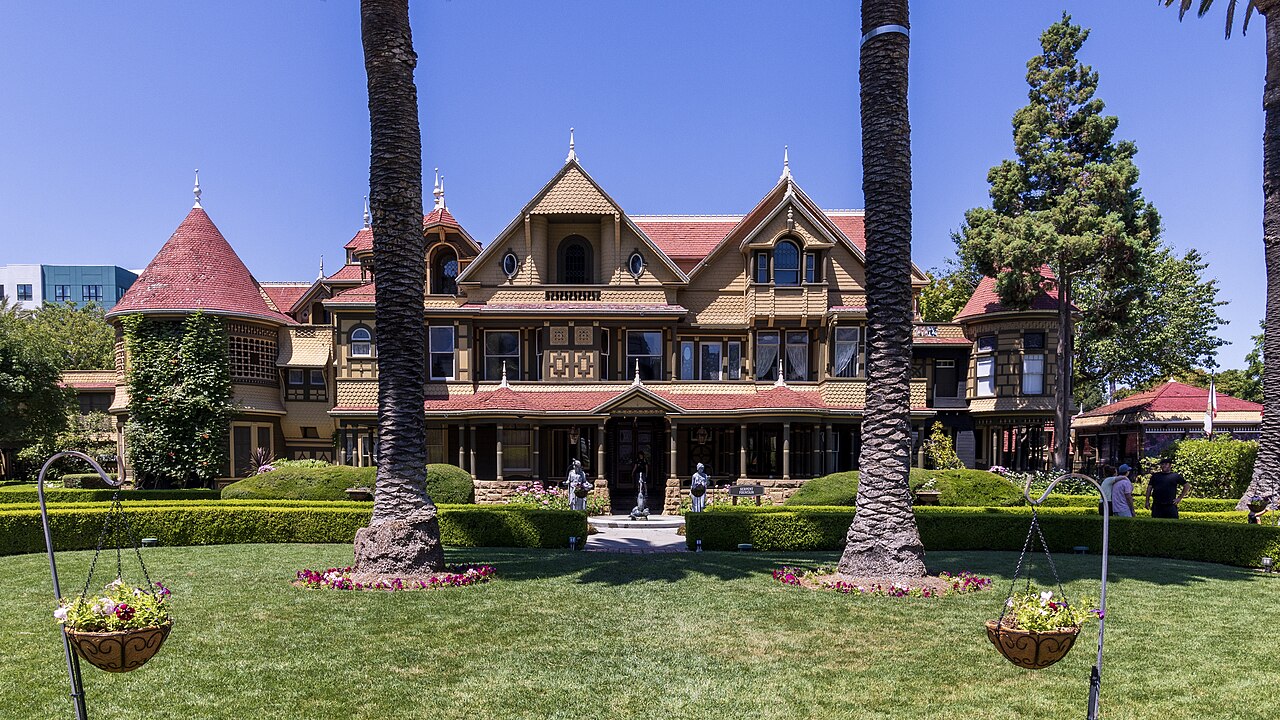
    The colourful Victorian Winchester Mystery House seen across a lawn with palm trees
    The Winchester Mystery House, San Jose, California (2023).
    Credit: The wub / Wikimedia Commons · Licence: CC BY-SA 4.0 · Source

    The Winchester Mystery House in San Jose was the home of Sarah Winchester, widow of William Wirt Winchester of the Winchester firearms family. When she died in 1922 the house had about 160 rooms, 2,000 doors and 47 stairways, and it opened to the public as an attraction nine months later.

    The popular legend says a Boston medium warned her that she was haunted by the spirits of people killed by Winchester rifles, and that she had to build without stopping to stay alive. Historians who have checked the records say that version was shaped by later writers, in particular a 1967 book of ghost stories, and that nobody has found the medium named in it. They also say the claim of round-the-clock building for 38 years does not match the evidence. Sarah Winchester was very wealthy and had a strong interest in building, which can explain much of the oddness.

    The house still draws visitors who say they hear footsteps and see shapes. It is a good example of how a ghost story can grow around a real place.

    Sources: Wikipedia: Winchester Mystery House · Winchester Mystery House (official site)

    Historical case. This is a summary written by the Department from the published sources listed above, in our own words. It is a historical case added to the map for context, not a reader submission. Reports are claims or findings as described in those sources; they are not proof of anything, and where an official or widely accepted explanation exists we say so. For entertainment and curiosity only. Spotted a mistake, or know more? Add a verification note below, or email paranormaldepartment1@gmail.com.

    📍 See this case on the map. Were you there, or can you explain it? Add a verification note below — notes are read by a person before they appear.
  • The Lizzie Borden House — Fall River, MA (1892)

    The Lizzie Borden House — Fall River, MA (1892)

    Ghost / Haunting Historical case When: Murders: August 4, 1892; open as a B&B since 1996  ·  Where: Fall River, Massachusetts

    Status: Unverified — the double murder is real and was never solved in court; claims of ghosts are anecdotal, and one skeptical investigator attributes the usual “evidence” to the ideomotor effect.

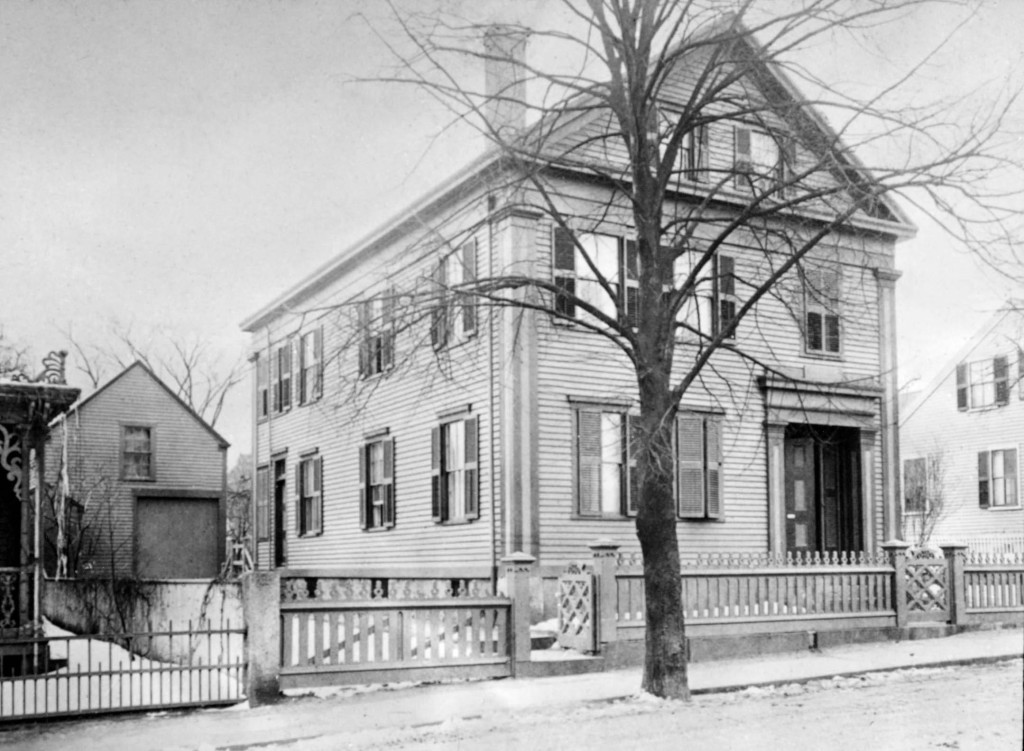
    A black and white photograph of the Borden house on Second Street, Fall River, in 1892
    The Borden house, 92 Second Street, Fall River, in 1892.
    Credit: Unknown photographer (1892 image) · Licence: Public domain (per Wikimedia Commons) · Source

    Andrew Borden, a prominent Fall River banker, and his wife Abby were killed with a hatchet inside their home on Second Street in 1892. Andrew's daughter Lizzie was tried for the murders and acquitted in 1893, and nobody else was ever convicted.

    The house, once numbered 92 and now 230 Second Street, has operated as a bed and breakfast and museum since 1996. Tours mention possible ghostly activity, and guests and authors have described feeling presences and seeing odd things. The skeptical investigator Joe Nickell reports that these claims rest on unverifiable feelings or on methods such as table-tipping and Ouija boards, which are explained by the ideomotor effect.

    The real story is a famous crime with an uncertain answer. The ghost stories are part of the tourist experience.

    Sources: Wikipedia: Lizzie Borden House · Fall River Historical Society

    Historical case. This is a summary written by the Department from the published sources listed above, in our own words. It is a historical case added to the map for context, not a reader submission. Reports are claims or findings as described in those sources; they are not proof of anything, and where an official or widely accepted explanation exists we say so. For entertainment and curiosity only. Spotted a mistake, or know more? Add a verification note below, or email paranormaldepartment1@gmail.com.

    📍 See this case on the map. Were you there, or can you explain it? Add a verification note below — notes are read by a person before they appear.

  • The Stanley Hotel — Estes Park, CO (1909)

    The Stanley Hotel — Estes Park, CO (1909)

    Ghost / Haunting Historical case When: Opened July 4, 1909; best-known stories date from the 1970s  ·  Where: Estes Park, Colorado

    Status: Unverified — the ghost stories are folklore and visitor anecdotes; no investigation has produced evidence that settles anything.

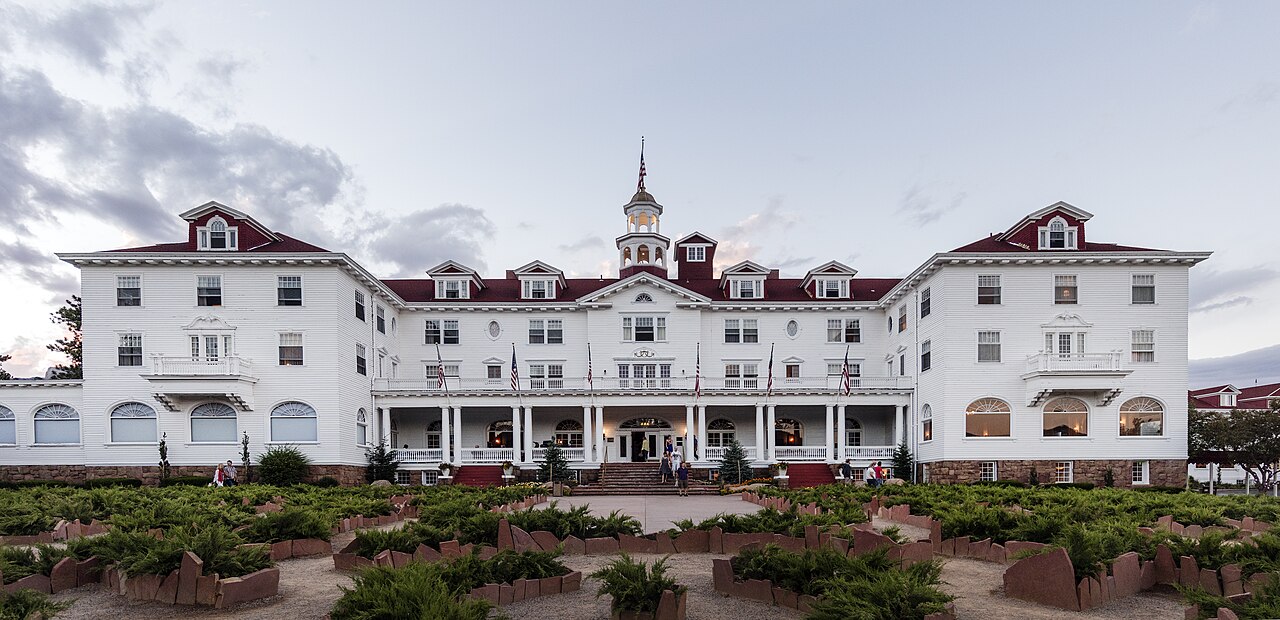
    The long white Stanley Hotel with a red roof in front of a garden in Estes Park, Colorado
    The Stanley Hotel, Estes Park, Colorado.
    Credit: Carol M. Highsmith, Library of Congress (Highsmith Archive) · Licence: Public domain (no known copyright restrictions) · Source

    The Stanley Hotel was built by Freelan Oscar Stanley, co-founder of the Stanley Motor Carriage Company, and opened on July 4, 1909 as a resort and a health retreat on the edge of Rocky Mountain National Park. It is listed on the National Register of Historic Places.

    Its haunted reputation grew mostly in the 1970s, after Stephen King stayed there and the building became the inspiration for the Overlook Hotel in his 1977 novel The Shining. Guests and staff have long told stories of footsteps, music from empty rooms, and the sound of children, and Room 217 is the best-known room. A 1911 gas explosion that injured a hotel housekeeper is often retold as the start of the ghost stories, though the contemporary newspaper reports disagree even on her name.

    The hotel now leans into its reputation with ghost tours and overnight stays. Treat the stories as local legend: they are entertaining and widely repeated, but they are not documented evidence.

    Sources: Wikipedia: The Stanley Hotel · The Stanley Hotel (official site)

    Historical case. This is a summary written by the Department from the published sources listed above, in our own words. It is a historical case added to the map for context, not a reader submission. Reports are claims or findings as described in those sources; they are not proof of anything, and where an official or widely accepted explanation exists we say so. For entertainment and curiosity only. Spotted a mistake, or know more? Add a verification note below, or email paranormaldepartment1@gmail.com.

    📍 See this case on the map. Were you there, or can you explain it? Add a verification note below — notes are read by a person before they appear.
  • Waverly Hills Sanatorium — Louisville, KY (1910–1961)

    Waverly Hills Sanatorium — Louisville, KY (1910–1961)

    Ghost / Haunting Historical case When: Opened 1910; main building 1926; closed 1961  ·  Where: Louisville, Kentucky

    Status: Unverified — ghost stories are anecdotal; some of the best-known details (such as very high death counts) are disputed.

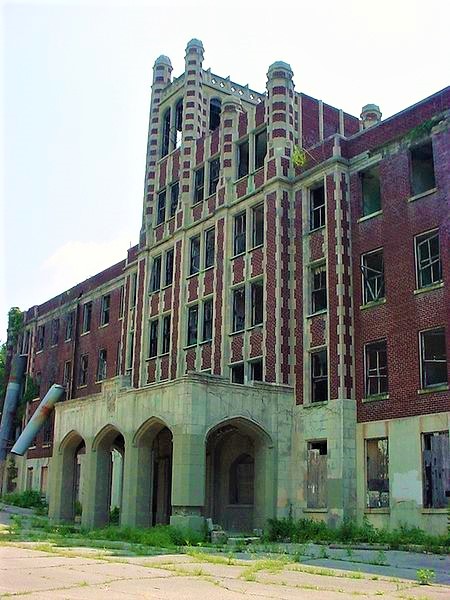
    The tall brick Waverly Hills Sanatorium building with arched entrances
    Waverly Hills Sanatorium, Louisville, Kentucky.
    Credit: Kris Arnold / Wikimedia Commons · Licence: Public domain (released by the photographer) · Source

    Louisville had one of the highest tuberculosis death rates in the United States in the early 1900s, and Waverly Hills Sanatorium was built to treat it. It opened in 1910 as a two-story wooden facility, and a five-story building for more than 400 patients opened on October 17, 1926. It closed in June 1961 after antibiotics made long stays unnecessary.

    The building reopened in 1962 as the Woodhaven Geriatric Center, a nursing home, which closed in 1980 after reports of overcrowding and neglect. The site changed hands several times, and since 2001 it has been run by owners who offer tours and a Halloween attraction to fund restoration.

    Legends say that a 500-foot tunnel was used to carry bodies down the hill discreetly, and visitors report apparitions, voices and shadows. Numbers of deaths quoted online vary wildly and are not reliable. As always, the stories are part of the experience rather than proof.

    Sources: Wikipedia: Waverly Hills Sanatorium

    Historical case. This is a summary written by the Department from the published sources listed above, in our own words. It is a historical case added to the map for context, not a reader submission. Reports are claims or findings as described in those sources; they are not proof of anything, and where an official or widely accepted explanation exists we say so. For entertainment and curiosity only. Spotted a mistake, or know more? Add a verification note below, or email paranormaldepartment1@gmail.com.

    📍 See this case on the map. Were you there, or can you explain it? Add a verification note below — notes are read by a person before they appear.

  • The Brown Mountain Lights — Burke County, NC (c. 1910)

    The Brown Mountain Lights — Burke County, NC (c. 1910)

    Other mystery Historical case When: Earliest published references around 1910  ·  Where: Brown Mountain, western North Carolina

    Status: Explained — in 1922 a U.S. Geological Survey scientist concluded they were trains, car headlights and brush fires.

    About the pin: Pinned near Brown Mountain; the lights are seen from viewpoints miles away.

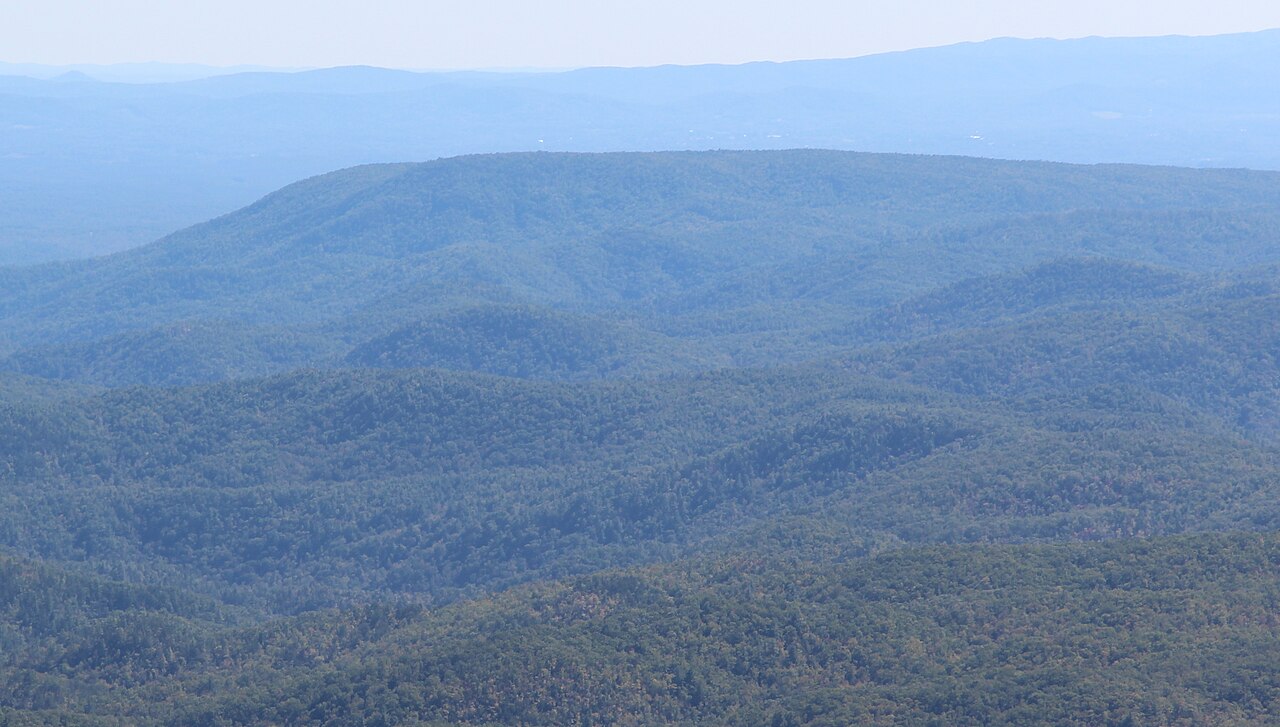
    A wide view of the forested Brown Mountain ridge in North Carolina under a blue sky
    Brown Mountain viewed from Beacon Heights, North Carolina.
    Credit: Thomson200 / Wikimedia Commons · Licence: CC0 (public-domain dedication) · Source

    The Brown Mountain lights are purported ghost lights near Brown Mountain in North Carolina. The earliest published references to strange lights there are from around 1910, about the time electric lighting was becoming widespread in the area.

    In 1922, USGS scientist George R. Mansfield used a map and an alidade telescope to show that the lights people were seeing were trains, car headlights and brush fires, which ended widespread public concern.

    With the original sightings explained, storytellers have kept inventing older histories for the lights, and the nature of the claimed encounters seems to change over the years to suit changing expectations. The lights remain a popular roadside attraction and a good example of how a legend outlives its explanation.

    Sources: Wikipedia: Brown Mountain lights · NCpedia: Brown Mountain Lights

    Historical case. This is a summary written by the Department from the published sources listed above, in our own words. It is a historical case added to the map for context, not a reader submission. Reports are claims or findings as described in those sources; they are not proof of anything, and where an official or widely accepted explanation exists we say so. For entertainment and curiosity only. Spotted a mistake, or know more? Add a verification note below, or email paranormaldepartment1@gmail.com.

    📍 See this case on the map. Were you there, or can you explain it? Add a verification note below — notes are read by a person before they appear.
  • Villisca Axe Murder House — Villisca, IA (1912)

    Villisca Axe Murder House — Villisca, IA (1912)

    Ghost / Haunting Historical case When: June 9–10, 1912  ·  Where: Villisca, Iowa

    Status: Unverified — the murders are a documented, unsolved crime; the ghost stories are modern tour-era anecdotes.

    About the pin: Pinned in the middle of Villisca.

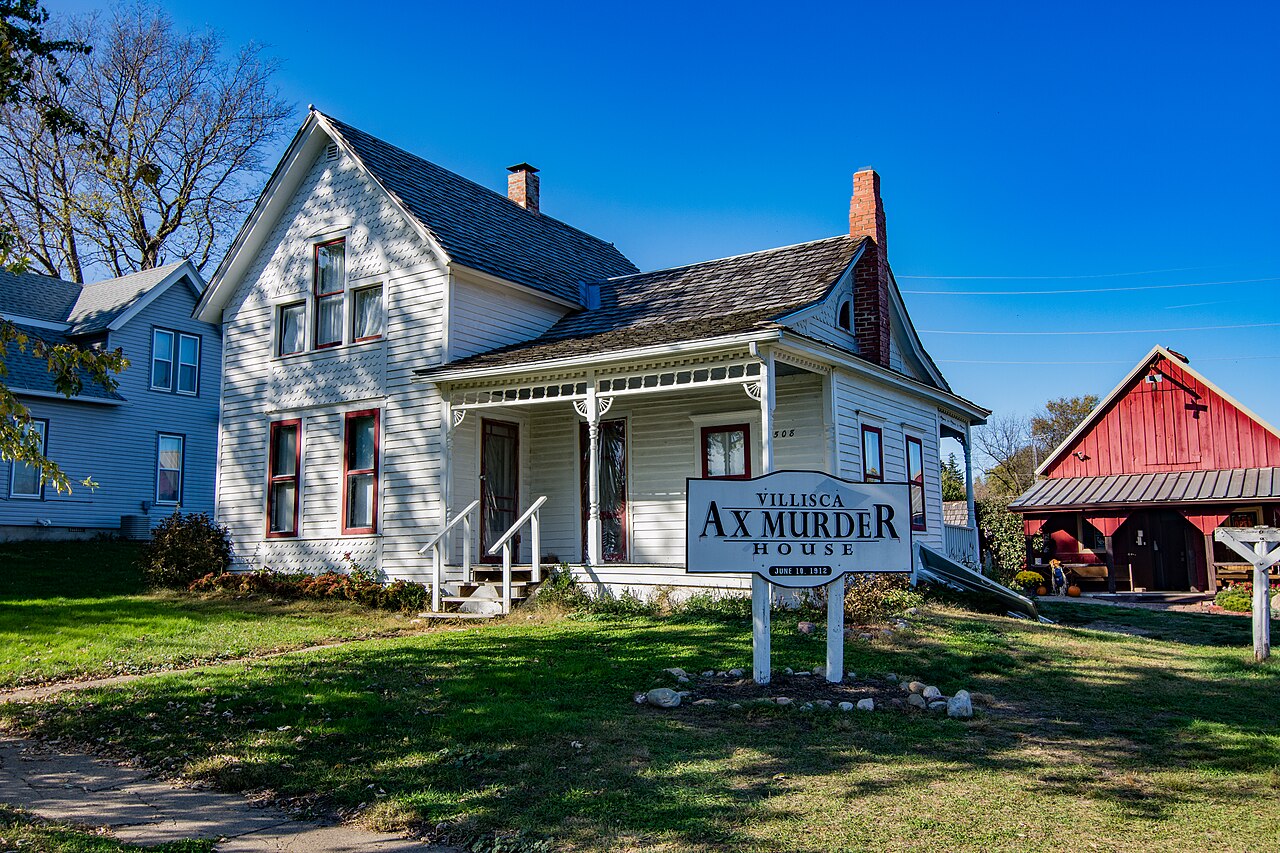
    The restored white Villisca Axe Murder House with a sign in the yard
    The Josiah B. and Sara Moore House, Villisca, Iowa (2016).
    Credit: Jason McLaren / Wikimedia Commons · Licence: CC BY-SA 4.0 · Source

    Overnight on June 9–10, 1912, six members of the Moore family and two young guests, the Stillinger sisters, were bludgeoned to death with an axe in their home in Villisca, Iowa. Six of the eight victims were children. A long investigation produced several suspects but no lasting conviction.

    The house was restored in the 1990s and is known as the Villisca Axe Murder House. It offers tours, and some visitors say they have felt or heard things inside.

    This is a real, tragic crime with real victims, so please treat it with respect. The ghost stories are anecdotes and are not documented.

    Sources: Wikipedia: Villisca axe murders

    Historical case. This is a summary written by the Department from the published sources listed above, in our own words. It is a historical case added to the map for context, not a reader submission. Reports are claims or findings as described in those sources; they are not proof of anything, and where an official or widely accepted explanation exists we say so. For entertainment and curiosity only. Spotted a mistake, or know more? Add a verification note below, or email paranormaldepartment1@gmail.com.

    📍 See this case on the map. Were you there, or can you explain it? Add a verification note below — notes are read by a person before they appear.

  • Borley Rectory — Borley, Essex, England (1862–1944)

    Borley Rectory — Borley, Essex, England (1862–1944)

    Ghost / Haunting Historical case When: Built 1862; burned 1939; demolished 1944  ·  Where: Borley, Essex, United Kingdom

    Status: Explained (mostly) — later investigators concluded that much of the famous evidence was exaggerated or fabricated.

    About the pin: The rectory no longer exists; the pin is on the village.

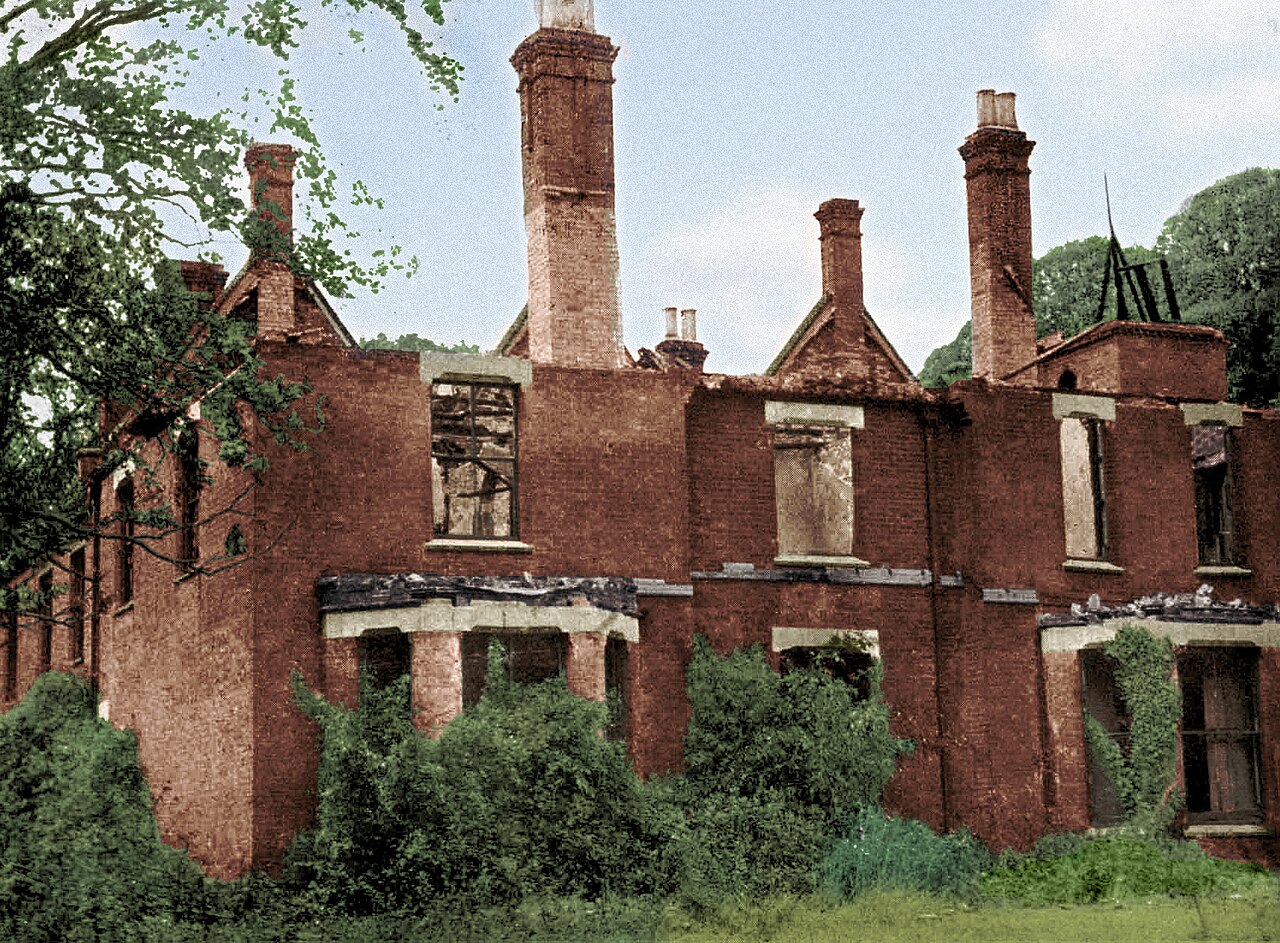
    The burned ruins of Borley Rectory with brick chimneys standing among trees
    Borley Rectory after the 1939 fire.
    Credit: Unknown photographer · Licence: Public domain (per Wikimedia Commons) · Source

    Borley Rectory was built in 1862 for the rector of Borley parish in Essex. The paranormal researcher Harry Price called it “the most haunted house in England.” After a newspaper began running stories in June 1929, Price visited and reported objects thrown, “spirit messages” tapped out and a ghostly nun.

    In 1939 the rectory was badly damaged by a fire that started when the new owner knocked over an oil lamp; the insurance company concluded the blaze seemed to have been started deliberately. The house was demolished in 1944.

    After Price's death, other researchers re-examined his claims and argued that many of the events were fraud or exaggeration, and the case is now often used as an example of how a haunting story can grow in the telling.

    Sources: Wikipedia: Borley Rectory

    Historical case. This is a summary written by the Department from the published sources listed above, in our own words. It is a historical case added to the map for context, not a reader submission. Reports are claims or findings as described in those sources; they are not proof of anything, and where an official or widely accepted explanation exists we say so. For entertainment and curiosity only. Spotted a mistake, or know more? Add a verification note below, or email paranormaldepartment1@gmail.com.

    📍 See this case on the map. Were you there, or can you explain it? Add a verification note below — notes are read by a person before they appear.
  • RMS Queen Mary — Long Beach, CA (1936–present)

    RMS Queen Mary — Long Beach, CA (1936–present)

    Ghost / Haunting Historical case When: Launched for service 1936; permanently moored in Long Beach since 1967  ·  Where: Long Beach, California

    Status: Unverified — ghost stories from guests and staff; no evidence beyond personal reports.

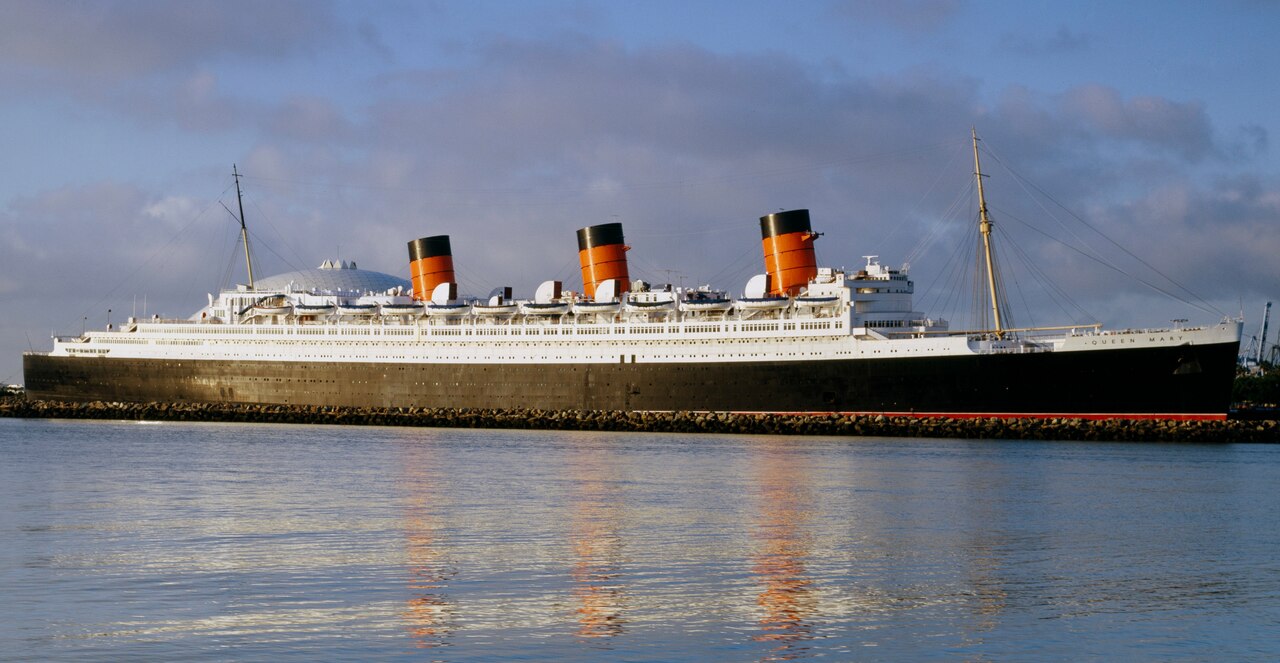
    The black-hulled Queen Mary ocean liner with three red funnels moored under a cloudy sky
    The Queen Mary, Long Beach, California.
    Credit: Carol M. Highsmith, Library of Congress (Highsmith Archive) · Licence: Public domain (no known copyright restrictions) · Source

    RMS Queen Mary was a British ocean liner that sailed for Cunard from 1936 to 1967. In World War II she was painted grey as a troopship and carried huge numbers of soldiers. On 2 October 1942 she accidentally sliced through her escort, the cruiser HMS Curacoa, off the Irish coast, with the loss of about 338 lives, because she was under orders not to stop for U-boat danger.

    After retirement the ship was bought by the City of Long Beach and has been a hotel, museum and convention space there since 1967. It is on the National Register of Historic Places.

    Guests and staff have told many ghost stories about the ship, from children's voices near the pool to figures in the engine room and a particular stateroom. The ship offers ghost tours of its own. These stories come from people's experiences and the ship's own marketing, rather than from documented evidence.

    Sources: Wikipedia: RMS Queen Mary · The Queen Mary (official site)

    Historical case. This is a summary written by the Department from the published sources listed above, in our own words. It is a historical case added to the map for context, not a reader submission. Reports are claims or findings as described in those sources; they are not proof of anything, and where an official or widely accepted explanation exists we say so. For entertainment and curiosity only. Spotted a mistake, or know more? Add a verification note below, or email paranormaldepartment1@gmail.com.

    📍 See this case on the map. Were you there, or can you explain it? Add a verification note below — notes are read by a person before they appear.

  • The Loveland Frog — Loveland, OH (1955, 1972)

    The Loveland Frog — Loveland, OH (1955, 1972)

    Cryptid Historical case When: Alleged 1955 sighting; police report March 3, 1972  ·  Where: Loveland, Ohio

    Status: Explained — the second officer who shot an animal two weeks after the 1972 report said it was a large iguana missing its tail.

    About the pin: Pinned in Loveland; the 1972 report was on a road by the Little Miami River.

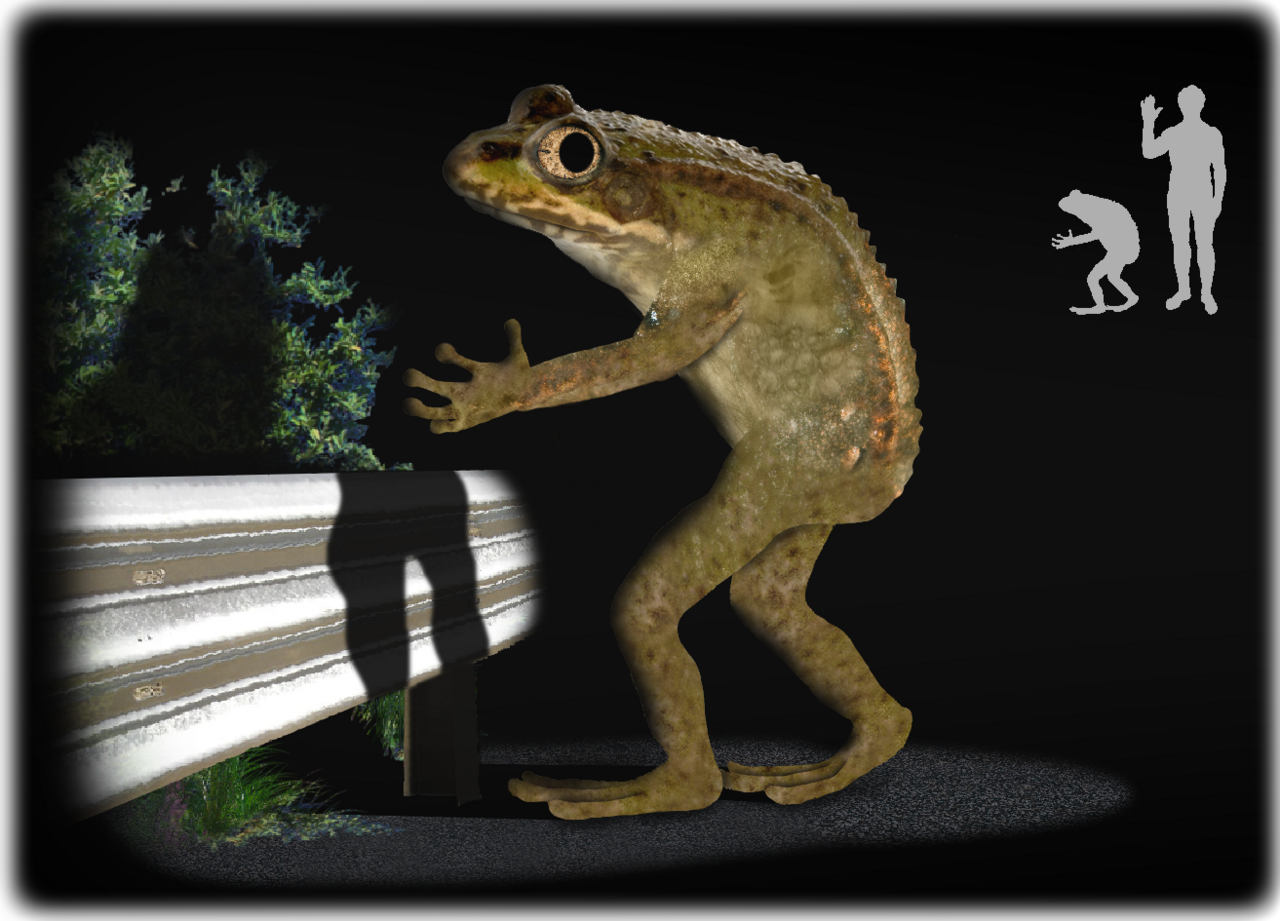
    An illustration of the Loveland frog as a large frog-like humanoid standing by a road barrier at night
    An artist's impression of the Loveland frog (not a photograph).
    Credit: Tim Bertelink / Wikimedia Commons · Licence: CC BY-SA 4.0 · Source

    The Loveland frog, or frogman, is a legendary humanoid creature reportedly seen in Loveland, Ohio. It is usually described as about four feet tall. The legend begins with a 1955 story about a businessman or salesman who saw three froglike figures standing along a road at night, with leathery skin; some versions add one holding a wand that threw sparks.

    At 1:00 a.m. on March 3, 1972, a Loveland police officer driving on Riverside Drive by the Little Miami River reported a leathery animal three to four feet long that “crouched like a frog” before it climbed over a guardrail toward the river.

    Two weeks later a second officer reported seeing a similar animal, shot it, and found that it was a large iguana, about three feet long, missing its tail. He said the first officer agreed it was what he had seen. The creature has since become a city mascot and has appeared in a musical and documentaries.

    Sources: Wikipedia: Loveland frog

    Historical case. This is a summary written by the Department from the published sources listed above, in our own words. It is a historical case added to the map for context, not a reader submission. Reports are claims or findings as described in those sources; they are not proof of anything, and where an official or widely accepted explanation exists we say so. For entertainment and curiosity only. Spotted a mistake, or know more? Add a verification note below, or email paranormaldepartment1@gmail.com.

    📍 See this case on the map. Were you there, or can you explain it? Add a verification note below — notes are read by a person before they appear.