Author: A Reader

  • Mothman — Point Pleasant, WV (1966–67)

    Mothman — Point Pleasant, WV (1966–67)

    Cryptid Historical case When: November 15, 1966 to December 15, 1967  ·  Where: Point Pleasant, West Virginia

    Status: Explained (probably) — a wildlife biologist at the time suggested a sandhill crane, and others suggest owls; the link to the bridge collapse is a later legend.

    About the pin: Pinned in Point Pleasant; the first sightings were at a former munitions site just outside town.

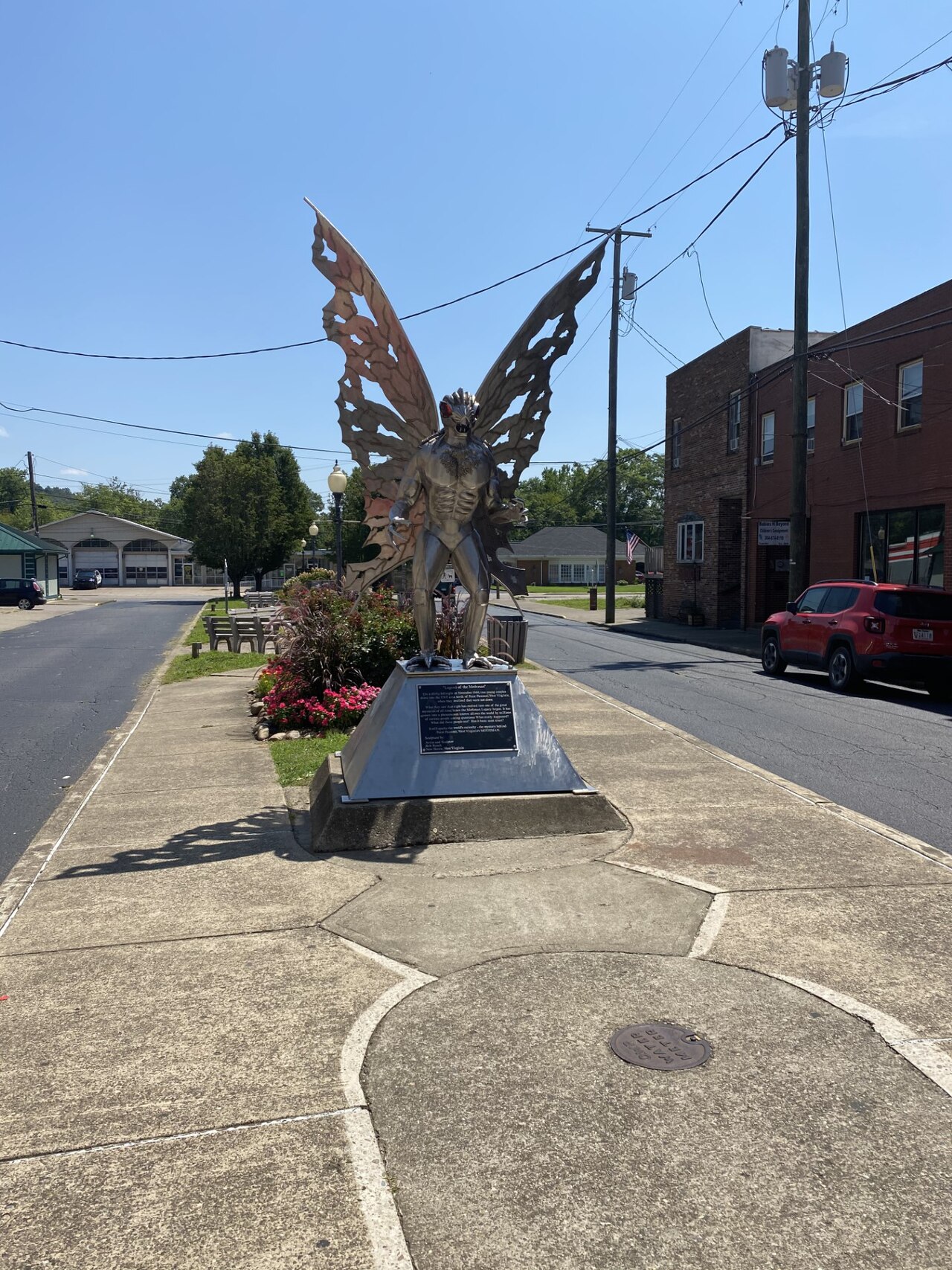
    The shiny metal Mothman statue on a street in Point Pleasant, West Virginia
    The Mothman statue in Point Pleasant, West Virginia.
    Credit: Csassen13 / Wikimedia Commons · Licence: CC0 (public-domain dedication) · Source

    On November 15, 1966, two young couples from Point Pleasant, Roger and Linda Scarberry and Steve and Mary Mallette, told police they had seen a large dark creature with glowing red eyes near “the TNT area,” a former munitions plant. The Point Pleasant Register ran the first story on November 16, and the national press soon picked it up. Over the following year there were many more reports.

    A wildlife biologist at West Virginia University told reporters that the descriptions fit a sandhill crane, which stands nearly as tall as a person, has a wingspan of about seven feet and has reddish skin around its eyes. Other explanations include herons and barred owls.

    On December 15, 1967, the Silver Bridge between Point Pleasant and Ohio collapsed in rush hour, killing 46 people. Investigators traced the failure to a single cracked eyebar. The idea that Mothman was connected came later, in John Keel's 1975 book The Mothman Prophecies and the 2002 film. Point Pleasant now has a Mothman statue and a festival.

    Sources: Wikipedia: Mothman · Wikipedia: Silver Bridge

    Historical case. This is a summary written by the Department from the published sources listed above, in our own words. It is a historical case added to the map for context, not a reader submission. Reports are claims or findings as described in those sources; they are not proof of anything, and where an official or widely accepted explanation exists we say so. For entertainment and curiosity only. Spotted a mistake, or know more? Add a verification note below, or email paranormaldepartment1@gmail.com.

    📍 See this case on the map. Were you there, or can you explain it? Add a verification note below — notes are read by a person before they appear.
  • Bigfoot — Bluff Creek, CA (1967)

    Bigfoot — Bluff Creek, CA (1967)

    Cryptid Historical case When: October 20, 1967 (as stated by the filmmakers)  ·  Where: Bluff Creek area, Six Rivers National Forest, Northern California

    Status: Unverified — the film has been studied and attacked for more than 50 years without a final answer; the filmmaker Roger Patterson maintained until his death that it was real.

    About the pin: Pinned on Bluff Creek; the exact filming spot is disputed.

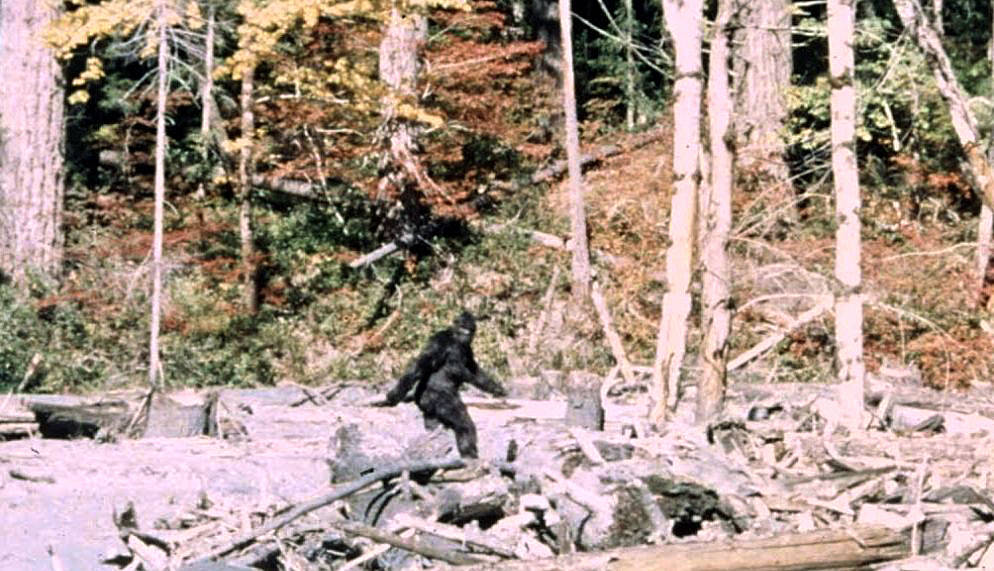
    A frame from the Patterson-Gimlin film showing a dark furry figure walking across a gravel clearing with trees behind
    Frame 352 from the 1967 Patterson–Gimlin film.
    Credit: Roger Patterson and Robert Gimlin (1967) · Licence: Public domain (published in 1967 without a copyright notice, per Wikipedia and Wikimedia Commons) · Source

    The Patterson–Gimlin film is a short motion picture made in 1967 in Northern California by Roger Patterson and Robert Gimlin. It shows an unidentified figure walking across a clearing and glancing at the camera, which the filmmakers said was a Bigfoot. The filmmakers gave October 20, 1967 as the date.

    The footage is 954 frames long and runs for about 59.5 seconds at 16 frames per second. Patterson died in 1972 and maintained until the end that the creature was real. Gimlin has always denied being part of any hoax. Critics say the figure is a person in a costume, while supporters point to its proportions and movement. Decades of attempts to authenticate or debunk the film have not produced agreement.

    The film was published in 1967 without a copyright notice and is in the public domain in the United States, which is why a frame can be shown here.

    Sources: Wikipedia: Patterson–Gimlin film

    Historical case. This is a summary written by the Department from the published sources listed above, in our own words. It is a historical case added to the map for context, not a reader submission. Reports are claims or findings as described in those sources; they are not proof of anything, and where an official or widely accepted explanation exists we say so. For entertainment and curiosity only. Spotted a mistake, or know more? Add a verification note below, or email paranormaldepartment1@gmail.com.

    📍 See this case on the map. Were you there, or can you explain it? Add a verification note below — notes are read by a person before they appear.
  • Hoia-Baciu Forest — Cluj-Napoca, Romania

    Hoia-Baciu Forest — Cluj-Napoca, Romania

    Other mystery Historical case When: Stories of recent decades; no single date  ·  Where: Cluj-Napoca, Romania

    Status: Unverified — a forest with a reputation; skeptics say the stories are for entertainment and lack testable evidence.

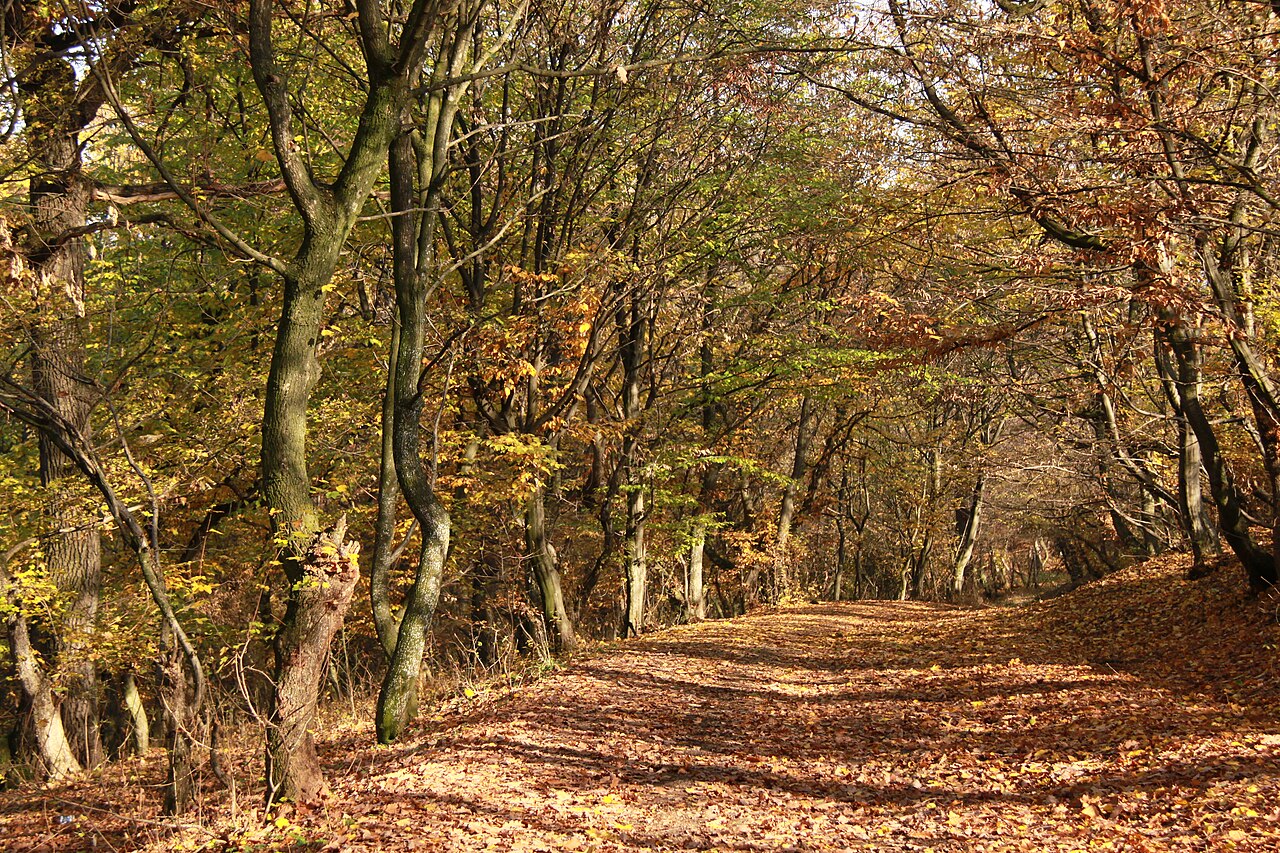
    A leaf-covered path through autumn forest in the Hoia-Baciu Forest near Cluj-Napoca
    An autumn path in the Hoia Forest, Cluj-Napoca (2012).
    Credit: Cristian Bortes / Wikimedia Commons · Licence: CC BY 2.0 · Source

    The Hoia-Baciu Forest is about three square kilometres of woodland just west of the city of Cluj-Napoca in Transylvania, Romania, near the open-air section of the Ethnographic Museum. The forest is used for recreation and has a bike park and sports areas.

    According to legend, it is a hotspot of paranormal activity, with ghost stories and urban legends that have made it a tourist attraction and a favourite of television ghost-hunting shows. Skeptics say that these are just stories for entertainment that lack any testable evidence.

    It is included here as an international example of a place whose reputation is far bigger than its documented history, and the page is deliberately short because there is little to add beyond the legend.

    Sources: Wikipedia: Hoia-Baciu Forest

    Historical case. This is a summary written by the Department from the published sources listed above, in our own words. It is a historical case added to the map for context, not a reader submission. Reports are claims or findings as described in those sources; they are not proof of anything, and where an official or widely accepted explanation exists we say so. For entertainment and curiosity only. Spotted a mistake, or know more? Add a verification note below, or email paranormaldepartment1@gmail.com.

    📍 See this case on the map. Were you there, or can you explain it? Add a verification note below — notes are read by a person before they appear.

  • The Bunny Man — Clifton, VA (1970)

    The Bunny Man — Clifton, VA (1970)

    Other mystery Historical case When: October 19 and 31, 1970 (the real incidents); legend ever since  ·  Where: Fairfax County, Virginia

    Status: Explained — a county historian found only two minor 1970 incidents; the murders in the popular story did not happen.

    About the pin: The real 1970 incidents were in nearby Burke; the legend centres on the Colchester Overpass.

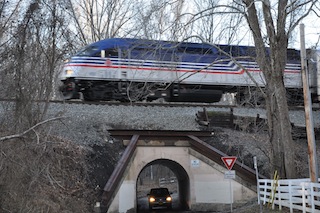
    A passenger train crossing the Colchester Overpass over a road with a tunnel, in winter trees
    A train crossing the Colchester Overpass (“Bunny Man Bridge”), Fairfax County, Virginia.
    Credit: Kohlchester / Wikimedia Commons · Licence: CC BY-SA 3.0 · Source

    The Bunny Man is an urban legend that began with two incidents in Fairfax County, Virginia, in 1970. Most versions involve a man in a rabbit costume attacking people with an axe or hatchet, and most stories are set around the Colchester Overpass, near Clifton, nicknamed “Bunny Man Bridge.”

    Fairfax County library historian Brian Conley found two documented reports, both in Burke. On October 19, 1970, a couple said a man in a white suit with bunny ears threw a hatchet through their car window. On October 31, a security guard said a man in a bunny costume chopped at the porch of an unfinished house. No one was ever identified, and more than 50 people soon claimed to have seen the “Bunny Man.”

    The most widely told version, which describes a convict and a series of murders, was posted online in 1999, and Conley says all its specifics are false. The overpass attracts so many Halloween visitors that since 2003 local authorities have controlled access around the holiday, so please do not go looking for it.

    Sources: Wikipedia: Bunny Man

    Historical case. This is a summary written by the Department from the published sources listed above, in our own words. It is a historical case added to the map for context, not a reader submission. Reports are claims or findings as described in those sources; they are not proof of anything, and where an official or widely accepted explanation exists we say so. For entertainment and curiosity only. Spotted a mistake, or know more? Add a verification note below, or email paranormaldepartment1@gmail.com.

    📍 See this case on the map. Were you there, or can you explain it? Add a verification note below — notes are read by a person before they appear.
  • The Bridgewater Triangle — Massachusetts (1970s)

    Other mystery Historical case When: Term coined in the 1970s; stories from colonial times  ·  Where: Southeastern Massachusetts

    Status: Unverified — a collection of claims across a region, rather than a single event; none has been verified.

    About the pin: A roughly 200-square-mile region; the pin is at its centre.

    The Bridgewater Triangle is an area of about 200 square miles in southeastern Massachusetts claimed to be a site of paranormal phenomena, from UFOs and poltergeists to Bigfoot-like creatures, giant snakes and thunderbirds. The term was coined by the New England cryptozoologist Loren Coleman in the 1970s, and it is described in his book Mysterious America.

    The region includes the Hockomock Swamp, the largest freshwater swamp in the state. Hockomock is an Algonquin word said to mean “place where spirits dwell,” and the swamp was a base during King Philip's War. Other places named include Profile Rock, Freetown-Fall River State Forest, Taunton State Hospital and Hornbine School.

    The claims include phantom lights, animal mutilations, “Native American curses” and the Pukwudgie, a trickster from Wampanoag folklore. This is a region full of stories that have been repeated in books and TV rather than a case with checkable evidence.

    Sources: Wikipedia: Bridgewater Triangle

    Historical case. This is a summary written by the Department from the published sources listed above, in our own words. It is a historical case added to the map for context, not a reader submission. Reports are claims or findings as described in those sources; they are not proof of anything, and where an official or widely accepted explanation exists we say so. For entertainment and curiosity only. Spotted a mistake, or know more? Add a verification note below, or email paranormaldepartment1@gmail.com.

    📍 See this case on the map. Were you there, or can you explain it? Add a verification note below — notes are read by a person before they appear.

  • The Amityville Horror — Amityville, NY (1974–75)

    Ghost / Haunting Historical case When: Murders: November 13, 1974. “Haunting” claim: December 1975 to January 1976  ·  Where: Amityville, Long Island, New York

    Status: Explained — widely regarded as a hoax or exaggeration; the defence lawyer later said the story was invented. The murders themselves are real.

    About the pin: Pinned at the village centre, not at the house, because it is a private home.

    On November 13, 1974, Ronald DeFeo Jr. shot six members of his family at their home on Ocean Avenue in Amityville, on the south shore of Long Island. He was convicted of second-degree murder in 1975. That part is a documented crime.

    In December 1975 George and Kathy Lutz moved into the house with their children. After 28 days they left, saying they had been terrorised by strange events. Their story was reported in the local paper in February 1976 and became Jay Anson's 1977 book The Amityville Horror and a series of films.

    The Lutzes sued the people involved in 1977 and the court dismissed their claims in 1979. William Weber, DeFeo's defence attorney, wrote that the book was a hoax and that the story was created over many bottles of wine. Others who looked into it say the details do not hold up. The house is a private home that has changed hands, so please do not trespass or disturb the residents.

    Sources: Wikipedia: The Amityville Horror

    Historical case. This is a summary written by the Department from the published sources listed above, in our own words. It is a historical case added to the map for context, not a reader submission. Reports are claims or findings as described in those sources; they are not proof of anything, and where an official or widely accepted explanation exists we say so. For entertainment and curiosity only. Spotted a mistake, or know more? Add a verification note below, or email paranormaldepartment1@gmail.com.

    📍 See this case on the map. Were you there, or can you explain it? Add a verification note below — notes are read by a person before they appear.

  • Champ — Lake Champlain, VT/NY (1977)

    Cryptid Historical case When: Photograph: 1977; older stories of various ages  ·  Where: Lake Champlain, Vermont and New York

    Status: Unverified — the famous 1977 photo cannot be checked because the negative is gone and the location is unknown.

    About the pin: The lake is more than 100 miles long; the pin is in the middle of it.

    Champ is the name given to a lake monster said to live in Lake Champlain, which lies between Vermont, New York and Quebec. The lake's namesake, Samuel de Champlain, is often said to have been the first European to see it in 1609, but the earliest source for that claim is a 1970 magazine issue, and there is no evidence Champlain ever said it.

    The best-known evidence is a photograph taken in 1977 by Sandra Mansi while on vacation with her family, which appears to show an animal with a long neck rising from the water. A scientist who examined the case found that the two most important pieces were missing: the negative had been thrown away and the exact spot could not be found. The bay is said to be no deeper than 14 feet, which a skeptic notes makes a giant hidden animal unlikely, and some have suggested the object is a floating tree trunk.

    Sightings continue, and Champ is a beloved local mascot. The photograph is not shown here because it is not clearly free to reuse.

    Sources: Wikipedia: Champ (folklore)

    Historical case. This is a summary written by the Department from the published sources listed above, in our own words. It is a historical case added to the map for context, not a reader submission. Reports are claims or findings as described in those sources; they are not proof of anything, and where an official or widely accepted explanation exists we say so. For entertainment and curiosity only. Spotted a mistake, or know more? Add a verification note below, or email paranormaldepartment1@gmail.com.

    📍 See this case on the map. Were you there, or can you explain it? Add a verification note below — notes are read by a person before they appear.

  • The Dover Demon — Dover, MA (1977)

    The Dover Demon — Dover, MA (1977)

    Cryptid Historical case When: April 21–22, 1977  ·  Where: Dover, Massachusetts

    Status: Unverified — police at the time suggested a school-vacation hoax; skeptics suggest a misidentified animal such as a foal or a snowy owl.

    About the pin: Pinned in the middle of Dover; reports were along roads about two miles apart.

    A stylised drawing of the Dover Demon, a grey spindly creature with a large head and glowing red eyes
    An artist's impression of the Dover Demon (not a photograph).
    Credit: “Di (they-them)” / Wikimedia Commons · Licence: CC BY-SA 4.0 · Source

    On April 21, 1977, a 17-year-old driving on Farm Street in Dover, Massachusetts, reported seeing a figure about four feet tall perched on a broken stone wall. It had a watermelon-shaped head, glowing orange eyes and no visible nose or mouth. That same evening a 15-year-old reported something similar on Miller Hill Road, and the next night another 15-year-old reported an encounter on Springdale Avenue.

    Each of the three teenagers drew a sketch, and a local news report noted that the three locations, when plotted, formed a straight line more than two miles long. The sightings became public in May. Police told the Associated Press that the descriptions were probably a school-vacation hoax.

    Skeptics have suggested a foal, a moose calf or a snowy owl, and others point to 1977's science-fiction films. The skeptic Brian Dunning argues none of these explains four independent sightings in 24 hours, and the answer is still open.

    Sources: Wikipedia: Dover Demon

    Historical case. This is a summary written by the Department from the published sources listed above, in our own words. It is a historical case added to the map for context, not a reader submission. Reports are claims or findings as described in those sources; they are not proof of anything, and where an official or widely accepted explanation exists we say so. For entertainment and curiosity only. Spotted a mistake, or know more? Add a verification note below, or email paranormaldepartment1@gmail.com.

    📍 See this case on the map. Were you there, or can you explain it? Add a verification note below — notes are read by a person before they appear.
  • Lizard Man of Scape Ore Swamp — Bishopville, SC (1988)

    Lizard Man of Scape Ore Swamp — Bishopville, SC (1988)

    Cryptid Historical case When: Summer 1988  ·  Where: Bishopville, Lee County, South Carolina

    Status: Unverified — the main witness's account changed over time and a skeptical investigator calls it implausible; the cause of the car damage is unknown.

    About the pin: Pinned in Bishopville; the reports were around the swamp east of town.

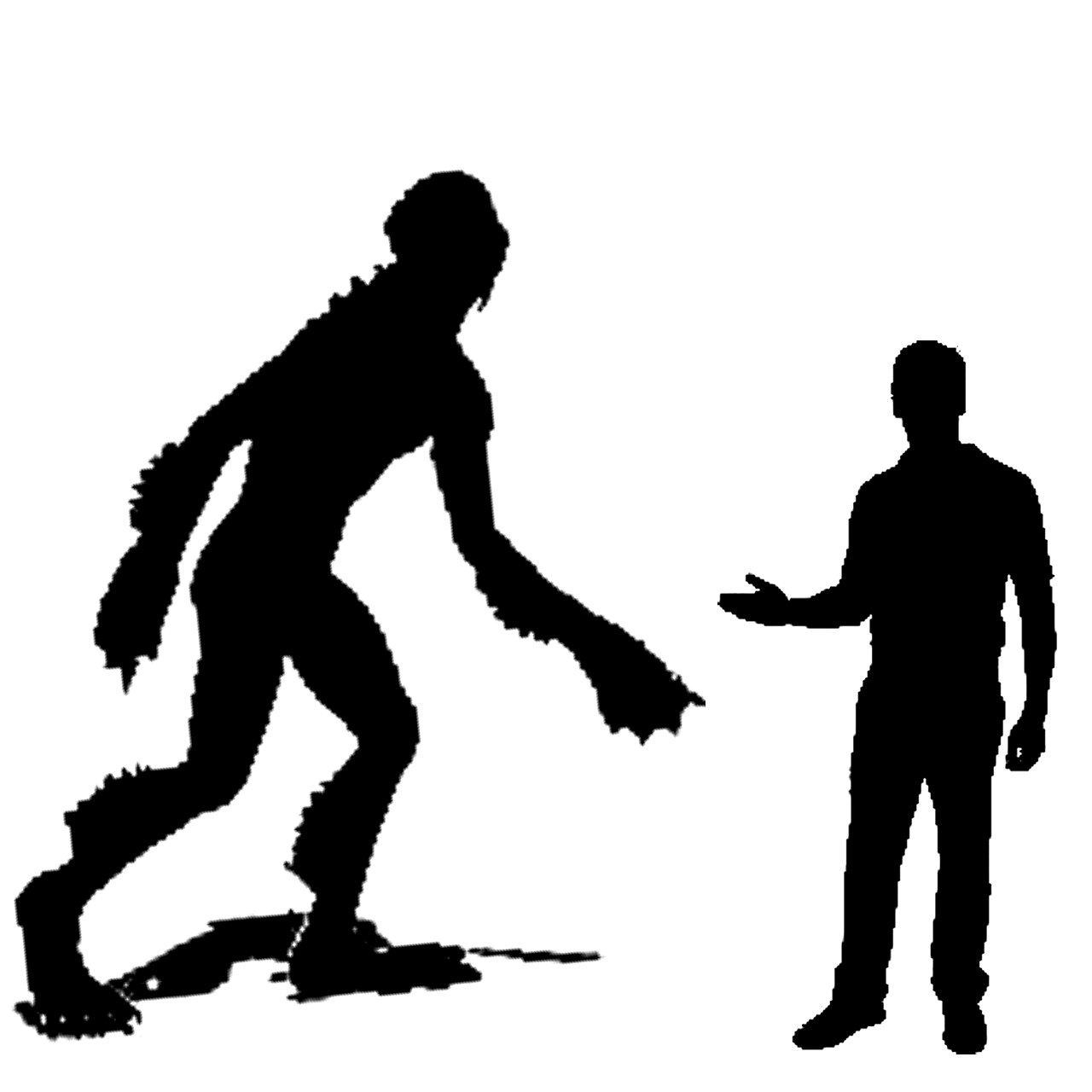
    Black silhouette drawing of a tall scaly humanoid next to a standing man for scale
    An illustration of the Lizard Man of Scape Ore Swamp (not a photograph).
    Credit: João Pedro Federal / Wikimedia Commons · Licence: CC BY-SA 4.0 · Source

    In July 1988 the Lee County sheriff's office investigated a report of a car damaged overnight at a home near Bishopville, South Carolina, at the edge of Scape Ore Swamp. The car reportedly had tooth marks, scratches, hair and muddy footprints. Soon a 17-year-old local reported that a creature, which he described as green, about seven feet tall, with three fingers and red eyes, had attacked his car.

    The story ran in more than 100 newspapers. A radio station offered a $1 million reward for capturing it alive, and tourists and hunters came to the area. An airman filed a report that he had shot the creature, but two days later he withdrew it when he was arraigned for carrying a pistol and filing a false report.

    The researcher Ben Radford says the main account changed from telling to telling and does not hold up, and another investigator suggests the teenager may have seen a local farmer guarding his shed. A religious-studies professor notes the pattern: a strange sighting, media attention, more sightings, then curious tourists.

    Sources: Wikipedia: Lizard Man of Scape Ore Swamp

    Historical case. This is a summary written by the Department from the published sources listed above, in our own words. It is a historical case added to the map for context, not a reader submission. Reports are claims or findings as described in those sources; they are not proof of anything, and where an official or widely accepted explanation exists we say so. For entertainment and curiosity only. Spotted a mistake, or know more? Add a verification note below, or email paranormaldepartment1@gmail.com.

    📍 See this case on the map. Were you there, or can you explain it? Add a verification note below — notes are read by a person before they appear.

  • The Beast of Bray Road — Elkhorn, WI (1980s–90s)

    Cryptid Historical case When: Reports from the 1980s and 1990s (an earlier 1936 report is also cited)  ·  Where: Elkhorn, Walworth County, Wisconsin

    Status: Explained (probably) — skeptics suggest gray wolves, large dogs or a bear with mange, plus hoaxes and hysteria.

    About the pin: Pinned in Elkhorn; reports are spread across the county.

    The Beast of Bray Road is a wolf-like creature reported in and near Elkhorn, Walworth County, Wisconsin. Witnesses describe it as six to seven feet tall, covered in hair, with a wolf-like head and glowing eyes, and say it moved both on four legs and upright.

    Reports in the 1980s and 1990s led a local paper, the Walworth County Week, to assign reporter Linda Godfrey to the story. She was skeptical at first but came to believe many witnesses were sincere, and she wrote a series of articles that became a book. Witnesses have claimed the creature scratched cars, chased people on foot and ate animals killed on the road.

    Skeptics say it is most likely a misidentified gray wolf or a big dog. Others suggest a black bear with mange, or a mix of hoaxes and hysteria. The legend is now part of Wisconsin folklore, with books, documentaries and a 2005 horror film.

    Sources: Wikipedia: Beast of Bray Road

    Historical case. This is a summary written by the Department from the published sources listed above, in our own words. It is a historical case added to the map for context, not a reader submission. Reports are claims or findings as described in those sources; they are not proof of anything, and where an official or widely accepted explanation exists we say so. For entertainment and curiosity only. Spotted a mistake, or know more? Add a verification note below, or email paranormaldepartment1@gmail.com.

    📍 See this case on the map. Were you there, or can you explain it? Add a verification note below — notes are read by a person before they appear.