Tag: Explained

  • The Jersey Devil — Pine Barrens, NJ (1735, 1909)

    The Jersey Devil — Pine Barrens, NJ (1735, 1909)

    Cryptid Historical case When: Legend dated 1735; major wave of reports January 16–23, 1909  ·  Where: Pine Barrens, southern New Jersey

    Status: Explained — folklore plus a 1909 newspaper-driven panic that researchers call mass hysteria.

    About the pin: The legend is tied to Leeds Point; reports covered all of South Jersey.

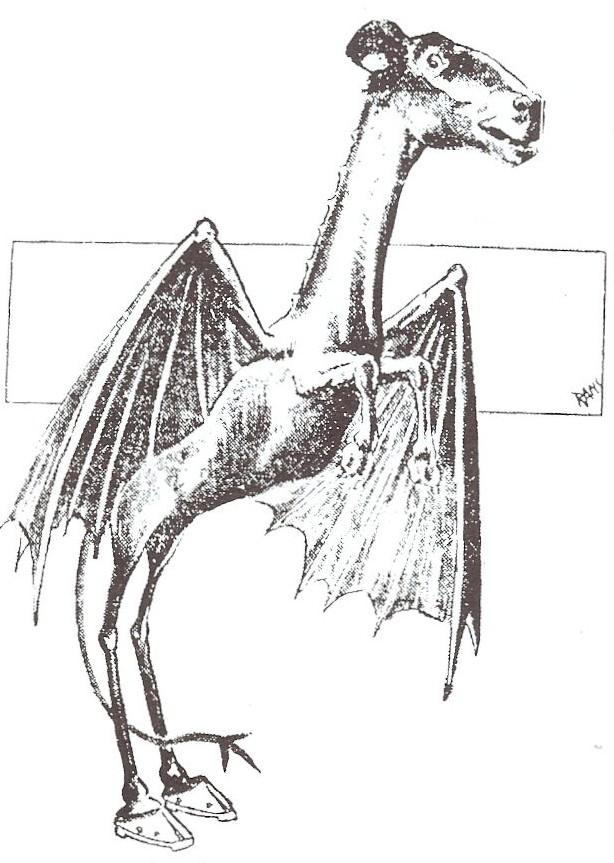
    A 1909 newspaper illustration of the Jersey Devil, a winged creature with a horse-like head
    Jersey Devil illustration from a Philadelphia newspaper, 1909.
    Credit: Unknown artist, Philadelphia newspaper (1909) · Licence: Public domain (published 1909) · Source

    The Jersey Devil, also called the Leeds Devil, is a legendary creature said to live in the New Jersey Pine Barrens. It is usually described as a flying biped with hooves, a horse- or goat-like head, bat-like wings and a forked tail.

    According to one version of the legend, in 1735 a woman named Leeds, already the mother of twelve children, cursed her thirteenth with the words “let the child be the devil.” The baby is said to have grown wings, claws and a tail, and flown up the chimney into the pines. Other versions put the story in other places and decades. The name “Jersey Devil” does not show up in print until the 20th century.

    The big flap came during the week of January 16–23, 1909, when newspapers published hundreds of claimed encounters across South Jersey and the Philadelphia area, including claims that it attacked a trolley car. The image of the batlike creature with a horse's head became standard from these stories. Researchers cite the 1909 panic as a classic example of mass hysteria spreading from a regional legend.

    Sources: Wikipedia: Jersey Devil

    Historical case. This is a summary written by the Department from the published sources listed above, in our own words. It is a historical case added to the map for context, not a reader submission. Reports are claims or findings as described in those sources; they are not proof of anything, and where an official or widely accepted explanation exists we say so. For entertainment and curiosity only. Spotted a mistake, or know more? Add a verification note below, or email paranormaldepartment1@gmail.com.

    📍 See this case on the map. Were you there, or can you explain it? Add a verification note below — notes are read by a person before they appear.
  • The Beast of Gévaudan — Lozère, France (1764–67)

    The Beast of Gévaudan — Lozère, France (1764–67)

    Cryptid Historical case When: June 30, 1764 to June 19, 1767  ·  Where: Gévaudan, south-central France

    Status: Explained (probably) — historians generally think a wolf or several wolves, or other known animals, were responsible, though debate continues.

    About the pin: Pinned near Langogne, the area of the first attacks; the attacks covered a large region.

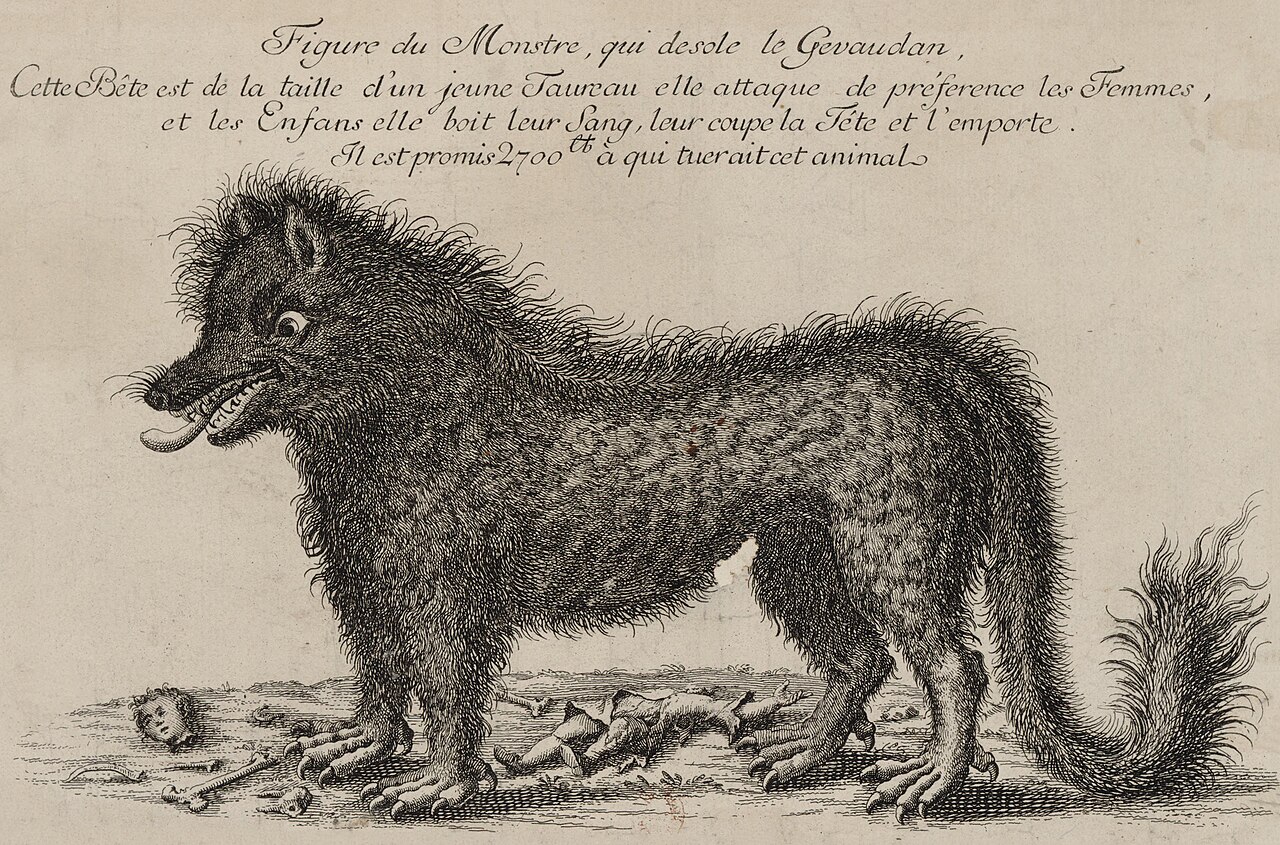
    An 18th-century engraving of the Beast of Gévaudan, a shaggy wolf-like animal with a long tail
    “Figure du Monstre qui désole le Gévaudan”, an engraving from 1764.
    Credit: Unknown engraver (1764), French print · Licence: Public domain (18th-century work) · Source

    Between 30 June 1764 and 19 June 1767 an animal or animals terrorised the former province of Gévaudan in the Margeride Mountains of south-central France. The number of victims depends on the source: a 1987 study estimated 210 attacks with 113 deaths and 49 injuries, while other sources say 60 to 100 adults and children were killed.

    The first recorded attack was in early summer 1764, when a young woman tending cattle near Langogne saw a beast “like a wolf, yet not a wolf” and was saved by the bulls in her herd. The first official victim, 14-year-old Jeanne Boulet, was killed on 30 June near Les Hubacs. The attacks usually targeted lone people, often children and women, tending livestock.

    The story reached King Louis XV, who decreed that the French state would help find and kill the beast. Several animals were reported killed during the affair. Engravings of the time, like the one shown here, helped the legend spread across Europe, and it is still debated whether the attacker was a wolf or something else.

    Sources: Wikipedia: Beast of Gévaudan

    Historical case. This is a summary written by the Department from the published sources listed above, in our own words. It is a historical case added to the map for context, not a reader submission. Reports are claims or findings as described in those sources; they are not proof of anything, and where an official or widely accepted explanation exists we say so. For entertainment and curiosity only. Spotted a mistake, or know more? Add a verification note below, or email paranormaldepartment1@gmail.com.

    📍 See this case on the map. Were you there, or can you explain it? Add a verification note below — notes are read by a person before they appear.
  • The Skunk Ape — Florida Everglades, FL (1818–present)

    The Skunk Ape — Florida Everglades, FL (1818–present)

    Cryptid Historical case When: Stories since the early 1800s; most common in the 1950s–70s  ·  Where: Southern Florida (Big Cypress / Everglades region)

    Status: Explained (probably) — most of the reports are judged to be hoaxes or misidentified wildlife, and the National Park Service calls it a hoax.

    About the pin: A regional legend; the pin is in the Big Cypress area, one of the most-cited areas.

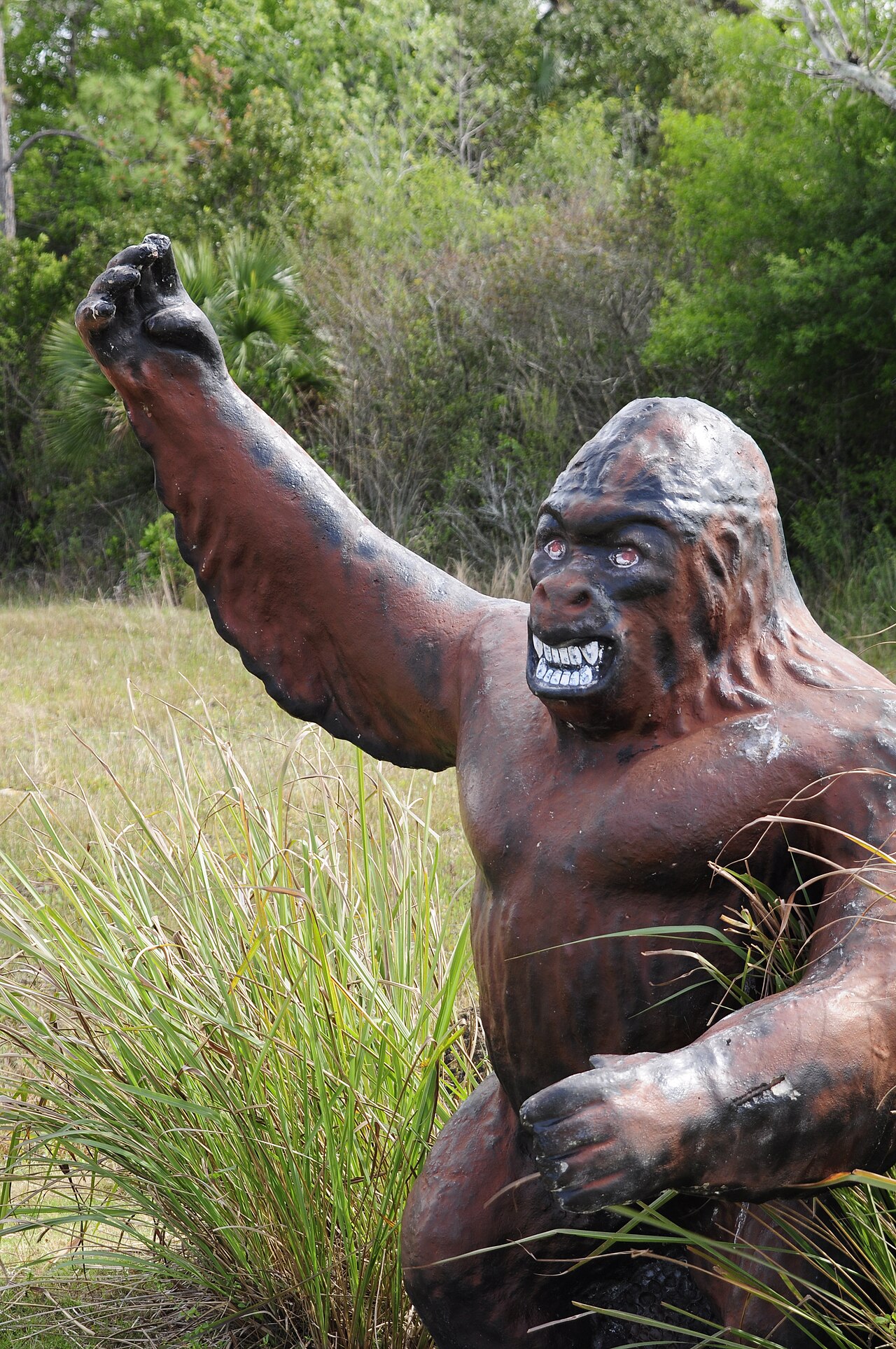
    A roadside statue of a hairy skunk ape raising an arm beside tall grass
    A roadside statue depicting the Florida skunk ape (not a photograph of an animal).
    Credit: MikesMegapixels / Wikimedia Commons (via Panoramio) · Licence: CC BY 3.0 · Source

    The skunk ape is a large, hairy, ape-like creature said to live in forests and swamps in the southeastern United States, most of all in Florida. It is called “skunk” for the foul smell that witnesses report.

    Accounts go back to the early 1800s: in 1818, local newspapers reported a story from what is now Apalachicola, Florida, about a “man-sized monkey” raiding food stores and stalking fishermen. Reports were most common from the 1950s through the 1970s, and hundreds have been logged since. In 1977 a bill was proposed in the Florida legislature to make it illegal to “take, possess, harm or molest anthropoids or humanoid animals”; it did not pass.

    Mainstream scientists consider the skunk ape folklore, misidentification and hoax. The skeptical investigator Joe Nickell suggests some sightings may be Florida black bears, possibly with mange. The National Park Service considers it a hoax.

    Sources: Wikipedia: Skunk ape

    Historical case. This is a summary written by the Department from the published sources listed above, in our own words. It is a historical case added to the map for context, not a reader submission. Reports are claims or findings as described in those sources; they are not proof of anything, and where an official or widely accepted explanation exists we say so. For entertainment and curiosity only. Spotted a mistake, or know more? Add a verification note below, or email paranormaldepartment1@gmail.com.

    📍 See this case on the map. Were you there, or can you explain it? Add a verification note below — notes are read by a person before they appear.

  • Winchester Mystery House — San Jose, CA (1884–1922)

    Winchester Mystery House — San Jose, CA (1884–1922)

    Ghost / Haunting Historical case When: Built and expanded from the 1880s to 1922  ·  Where: San Jose, California

    Status: Explained — historians say the famous story (a medium told Sarah Winchester to keep building for the spirits of rifle victims) is largely a later invention.

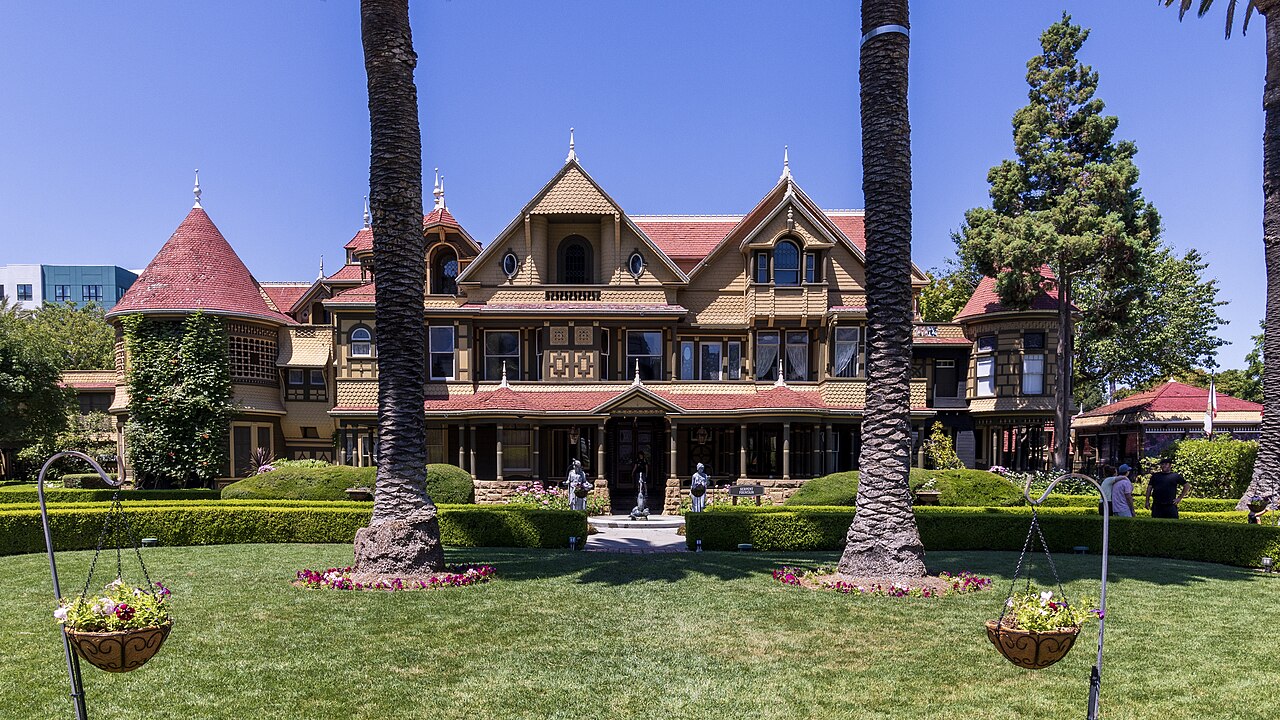
    The colourful Victorian Winchester Mystery House seen across a lawn with palm trees
    The Winchester Mystery House, San Jose, California (2023).
    Credit: The wub / Wikimedia Commons · Licence: CC BY-SA 4.0 · Source

    The Winchester Mystery House in San Jose was the home of Sarah Winchester, widow of William Wirt Winchester of the Winchester firearms family. When she died in 1922 the house had about 160 rooms, 2,000 doors and 47 stairways, and it opened to the public as an attraction nine months later.

    The popular legend says a Boston medium warned her that she was haunted by the spirits of people killed by Winchester rifles, and that she had to build without stopping to stay alive. Historians who have checked the records say that version was shaped by later writers, in particular a 1967 book of ghost stories, and that nobody has found the medium named in it. They also say the claim of round-the-clock building for 38 years does not match the evidence. Sarah Winchester was very wealthy and had a strong interest in building, which can explain much of the oddness.

    The house still draws visitors who say they hear footsteps and see shapes. It is a good example of how a ghost story can grow around a real place.

    Sources: Wikipedia: Winchester Mystery House · Winchester Mystery House (official site)

    Historical case. This is a summary written by the Department from the published sources listed above, in our own words. It is a historical case added to the map for context, not a reader submission. Reports are claims or findings as described in those sources; they are not proof of anything, and where an official or widely accepted explanation exists we say so. For entertainment and curiosity only. Spotted a mistake, or know more? Add a verification note below, or email paranormaldepartment1@gmail.com.

    📍 See this case on the map. Were you there, or can you explain it? Add a verification note below — notes are read by a person before they appear.
  • The Brown Mountain Lights — Burke County, NC (c. 1910)

    The Brown Mountain Lights — Burke County, NC (c. 1910)

    Other mystery Historical case When: Earliest published references around 1910  ·  Where: Brown Mountain, western North Carolina

    Status: Explained — in 1922 a U.S. Geological Survey scientist concluded they were trains, car headlights and brush fires.

    About the pin: Pinned near Brown Mountain; the lights are seen from viewpoints miles away.

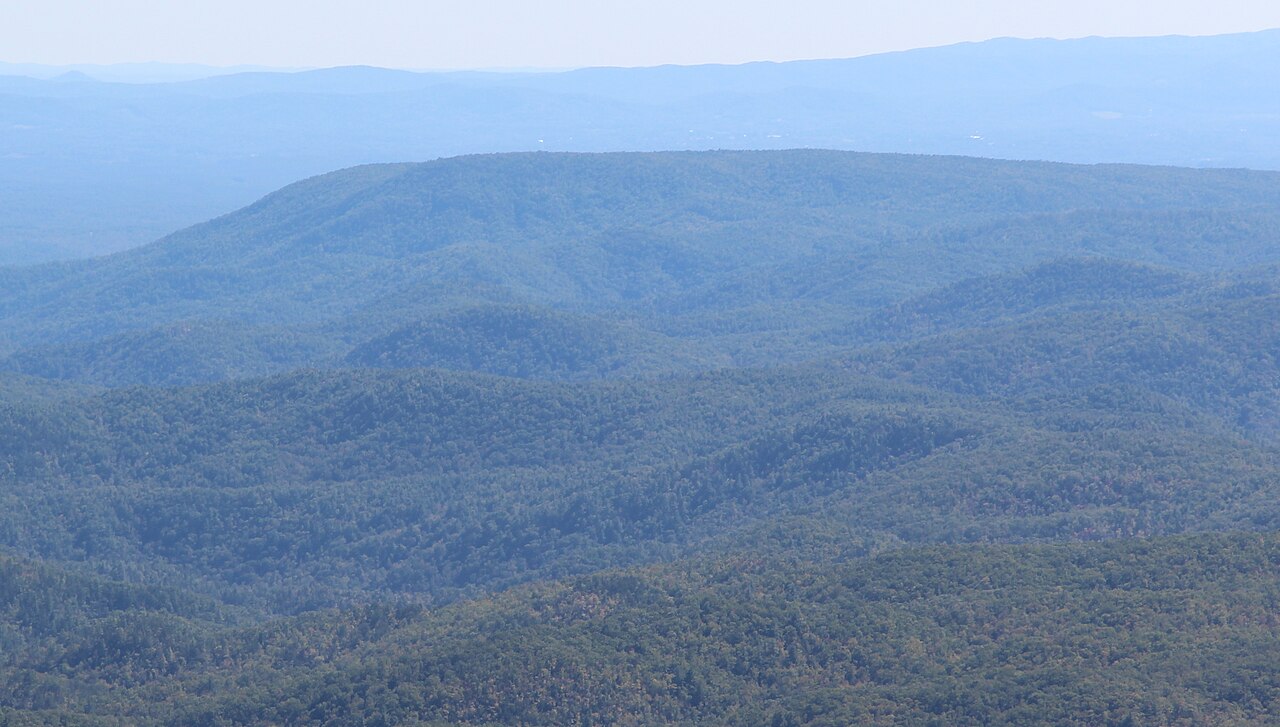
    A wide view of the forested Brown Mountain ridge in North Carolina under a blue sky
    Brown Mountain viewed from Beacon Heights, North Carolina.
    Credit: Thomson200 / Wikimedia Commons · Licence: CC0 (public-domain dedication) · Source

    The Brown Mountain lights are purported ghost lights near Brown Mountain in North Carolina. The earliest published references to strange lights there are from around 1910, about the time electric lighting was becoming widespread in the area.

    In 1922, USGS scientist George R. Mansfield used a map and an alidade telescope to show that the lights people were seeing were trains, car headlights and brush fires, which ended widespread public concern.

    With the original sightings explained, storytellers have kept inventing older histories for the lights, and the nature of the claimed encounters seems to change over the years to suit changing expectations. The lights remain a popular roadside attraction and a good example of how a legend outlives its explanation.

    Sources: Wikipedia: Brown Mountain lights · NCpedia: Brown Mountain Lights

    Historical case. This is a summary written by the Department from the published sources listed above, in our own words. It is a historical case added to the map for context, not a reader submission. Reports are claims or findings as described in those sources; they are not proof of anything, and where an official or widely accepted explanation exists we say so. For entertainment and curiosity only. Spotted a mistake, or know more? Add a verification note below, or email paranormaldepartment1@gmail.com.

    📍 See this case on the map. Were you there, or can you explain it? Add a verification note below — notes are read by a person before they appear.

  • Borley Rectory — Borley, Essex, England (1862–1944)

    Borley Rectory — Borley, Essex, England (1862–1944)

    Ghost / Haunting Historical case When: Built 1862; burned 1939; demolished 1944  ·  Where: Borley, Essex, United Kingdom

    Status: Explained (mostly) — later investigators concluded that much of the famous evidence was exaggerated or fabricated.

    About the pin: The rectory no longer exists; the pin is on the village.

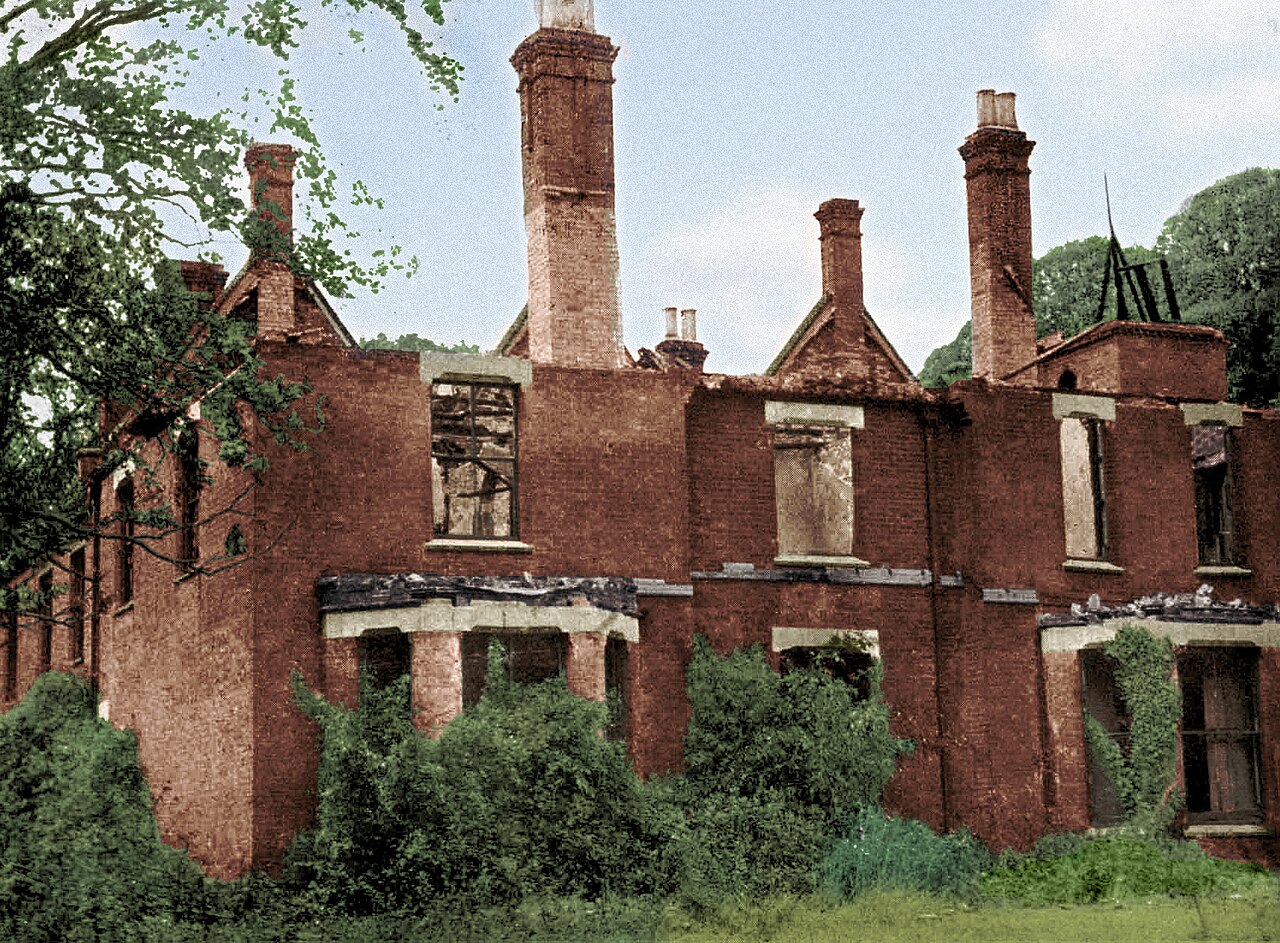
    The burned ruins of Borley Rectory with brick chimneys standing among trees
    Borley Rectory after the 1939 fire.
    Credit: Unknown photographer · Licence: Public domain (per Wikimedia Commons) · Source

    Borley Rectory was built in 1862 for the rector of Borley parish in Essex. The paranormal researcher Harry Price called it “the most haunted house in England.” After a newspaper began running stories in June 1929, Price visited and reported objects thrown, “spirit messages” tapped out and a ghostly nun.

    In 1939 the rectory was badly damaged by a fire that started when the new owner knocked over an oil lamp; the insurance company concluded the blaze seemed to have been started deliberately. The house was demolished in 1944.

    After Price's death, other researchers re-examined his claims and argued that many of the events were fraud or exaggeration, and the case is now often used as an example of how a haunting story can grow in the telling.

    Sources: Wikipedia: Borley Rectory

    Historical case. This is a summary written by the Department from the published sources listed above, in our own words. It is a historical case added to the map for context, not a reader submission. Reports are claims or findings as described in those sources; they are not proof of anything, and where an official or widely accepted explanation exists we say so. For entertainment and curiosity only. Spotted a mistake, or know more? Add a verification note below, or email paranormaldepartment1@gmail.com.

    📍 See this case on the map. Were you there, or can you explain it? Add a verification note below — notes are read by a person before they appear.
  • The Loveland Frog — Loveland, OH (1955, 1972)

    The Loveland Frog — Loveland, OH (1955, 1972)

    Cryptid Historical case When: Alleged 1955 sighting; police report March 3, 1972  ·  Where: Loveland, Ohio

    Status: Explained — the second officer who shot an animal two weeks after the 1972 report said it was a large iguana missing its tail.

    About the pin: Pinned in Loveland; the 1972 report was on a road by the Little Miami River.

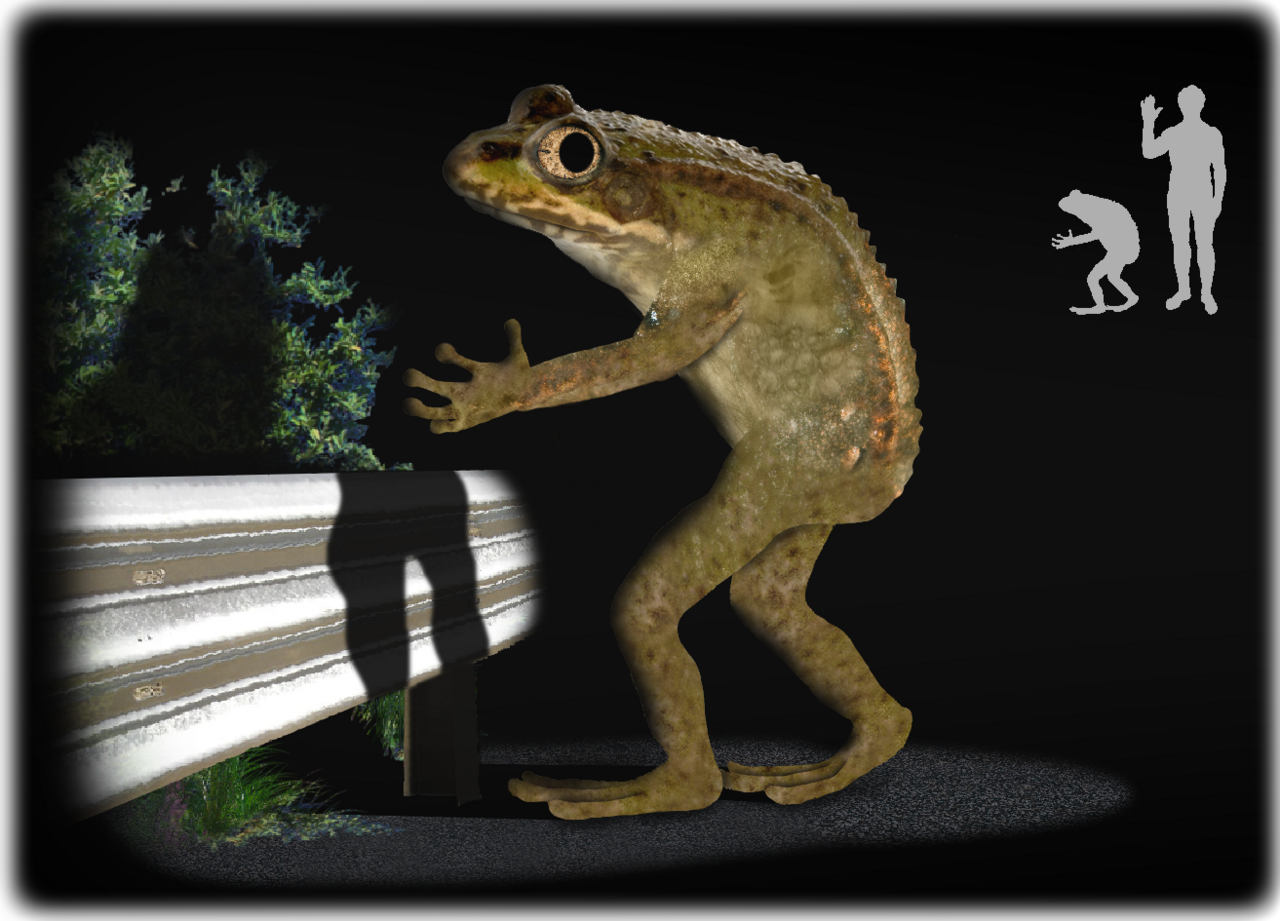
    An illustration of the Loveland frog as a large frog-like humanoid standing by a road barrier at night
    An artist's impression of the Loveland frog (not a photograph).
    Credit: Tim Bertelink / Wikimedia Commons · Licence: CC BY-SA 4.0 · Source

    The Loveland frog, or frogman, is a legendary humanoid creature reportedly seen in Loveland, Ohio. It is usually described as about four feet tall. The legend begins with a 1955 story about a businessman or salesman who saw three froglike figures standing along a road at night, with leathery skin; some versions add one holding a wand that threw sparks.

    At 1:00 a.m. on March 3, 1972, a Loveland police officer driving on Riverside Drive by the Little Miami River reported a leathery animal three to four feet long that “crouched like a frog” before it climbed over a guardrail toward the river.

    Two weeks later a second officer reported seeing a similar animal, shot it, and found that it was a large iguana, about three feet long, missing its tail. He said the first officer agreed it was what he had seen. The creature has since become a city mascot and has appeared in a musical and documentaries.

    Sources: Wikipedia: Loveland frog

    Historical case. This is a summary written by the Department from the published sources listed above, in our own words. It is a historical case added to the map for context, not a reader submission. Reports are claims or findings as described in those sources; they are not proof of anything, and where an official or widely accepted explanation exists we say so. For entertainment and curiosity only. Spotted a mistake, or know more? Add a verification note below, or email paranormaldepartment1@gmail.com.

    📍 See this case on the map. Were you there, or can you explain it? Add a verification note below — notes are read by a person before they appear.

  • Mothman — Point Pleasant, WV (1966–67)

    Mothman — Point Pleasant, WV (1966–67)

    Cryptid Historical case When: November 15, 1966 to December 15, 1967  ·  Where: Point Pleasant, West Virginia

    Status: Explained (probably) — a wildlife biologist at the time suggested a sandhill crane, and others suggest owls; the link to the bridge collapse is a later legend.

    About the pin: Pinned in Point Pleasant; the first sightings were at a former munitions site just outside town.

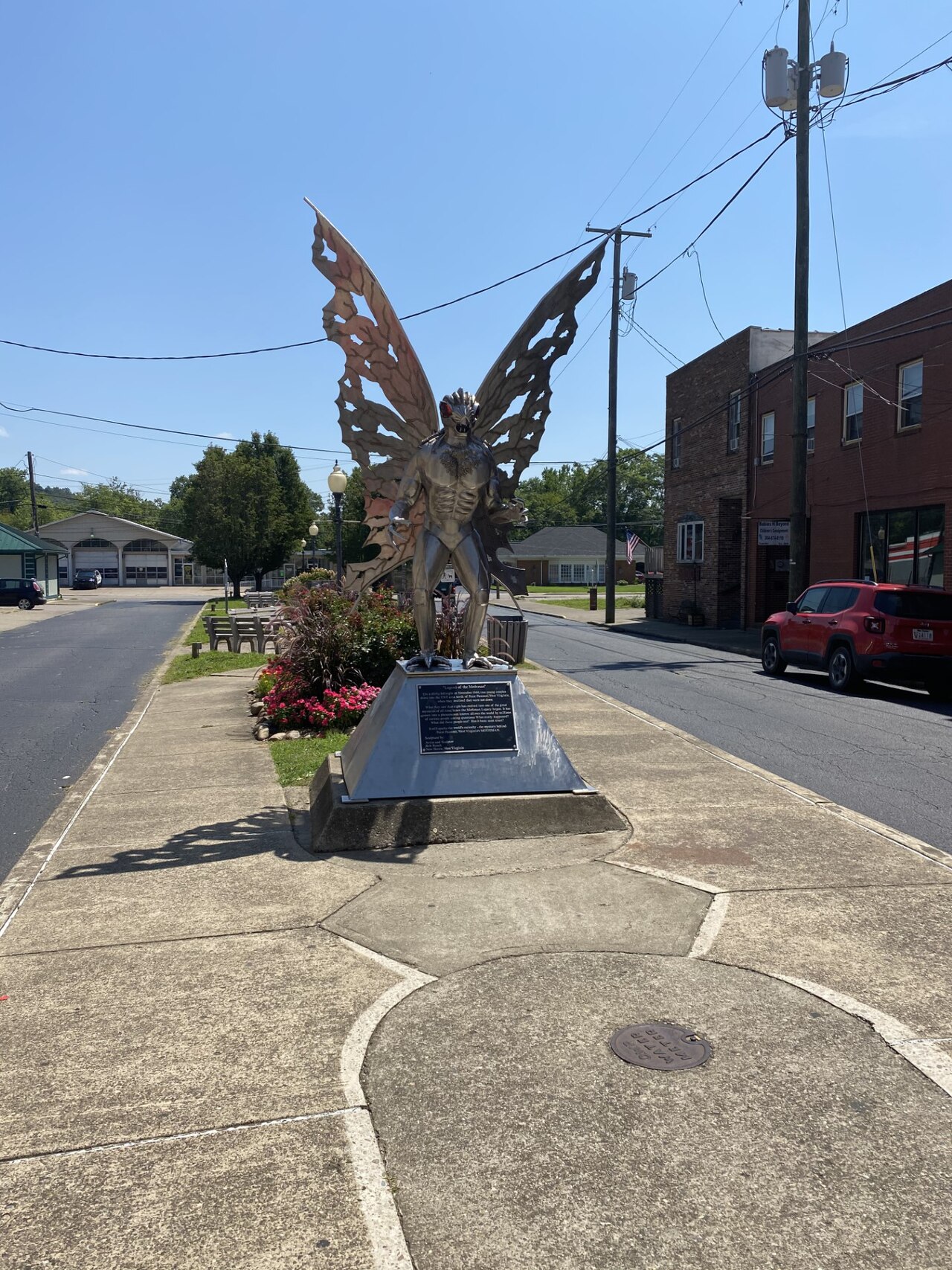
    The shiny metal Mothman statue on a street in Point Pleasant, West Virginia
    The Mothman statue in Point Pleasant, West Virginia.
    Credit: Csassen13 / Wikimedia Commons · Licence: CC0 (public-domain dedication) · Source

    On November 15, 1966, two young couples from Point Pleasant, Roger and Linda Scarberry and Steve and Mary Mallette, told police they had seen a large dark creature with glowing red eyes near “the TNT area,” a former munitions plant. The Point Pleasant Register ran the first story on November 16, and the national press soon picked it up. Over the following year there were many more reports.

    A wildlife biologist at West Virginia University told reporters that the descriptions fit a sandhill crane, which stands nearly as tall as a person, has a wingspan of about seven feet and has reddish skin around its eyes. Other explanations include herons and barred owls.

    On December 15, 1967, the Silver Bridge between Point Pleasant and Ohio collapsed in rush hour, killing 46 people. Investigators traced the failure to a single cracked eyebar. The idea that Mothman was connected came later, in John Keel's 1975 book The Mothman Prophecies and the 2002 film. Point Pleasant now has a Mothman statue and a festival.

    Sources: Wikipedia: Mothman · Wikipedia: Silver Bridge

    Historical case. This is a summary written by the Department from the published sources listed above, in our own words. It is a historical case added to the map for context, not a reader submission. Reports are claims or findings as described in those sources; they are not proof of anything, and where an official or widely accepted explanation exists we say so. For entertainment and curiosity only. Spotted a mistake, or know more? Add a verification note below, or email paranormaldepartment1@gmail.com.

    📍 See this case on the map. Were you there, or can you explain it? Add a verification note below — notes are read by a person before they appear.
  • The Bunny Man — Clifton, VA (1970)

    The Bunny Man — Clifton, VA (1970)

    Other mystery Historical case When: October 19 and 31, 1970 (the real incidents); legend ever since  ·  Where: Fairfax County, Virginia

    Status: Explained — a county historian found only two minor 1970 incidents; the murders in the popular story did not happen.

    About the pin: The real 1970 incidents were in nearby Burke; the legend centres on the Colchester Overpass.

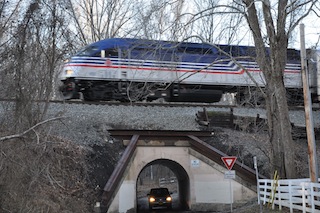
    A passenger train crossing the Colchester Overpass over a road with a tunnel, in winter trees
    A train crossing the Colchester Overpass (“Bunny Man Bridge”), Fairfax County, Virginia.
    Credit: Kohlchester / Wikimedia Commons · Licence: CC BY-SA 3.0 · Source

    The Bunny Man is an urban legend that began with two incidents in Fairfax County, Virginia, in 1970. Most versions involve a man in a rabbit costume attacking people with an axe or hatchet, and most stories are set around the Colchester Overpass, near Clifton, nicknamed “Bunny Man Bridge.”

    Fairfax County library historian Brian Conley found two documented reports, both in Burke. On October 19, 1970, a couple said a man in a white suit with bunny ears threw a hatchet through their car window. On October 31, a security guard said a man in a bunny costume chopped at the porch of an unfinished house. No one was ever identified, and more than 50 people soon claimed to have seen the “Bunny Man.”

    The most widely told version, which describes a convict and a series of murders, was posted online in 1999, and Conley says all its specifics are false. The overpass attracts so many Halloween visitors that since 2003 local authorities have controlled access around the holiday, so please do not go looking for it.

    Sources: Wikipedia: Bunny Man

    Historical case. This is a summary written by the Department from the published sources listed above, in our own words. It is a historical case added to the map for context, not a reader submission. Reports are claims or findings as described in those sources; they are not proof of anything, and where an official or widely accepted explanation exists we say so. For entertainment and curiosity only. Spotted a mistake, or know more? Add a verification note below, or email paranormaldepartment1@gmail.com.

    📍 See this case on the map. Were you there, or can you explain it? Add a verification note below — notes are read by a person before they appear.

  • The Amityville Horror — Amityville, NY (1974–75)

    Ghost / Haunting Historical case When: Murders: November 13, 1974. “Haunting” claim: December 1975 to January 1976  ·  Where: Amityville, Long Island, New York

    Status: Explained — widely regarded as a hoax or exaggeration; the defence lawyer later said the story was invented. The murders themselves are real.

    About the pin: Pinned at the village centre, not at the house, because it is a private home.

    On November 13, 1974, Ronald DeFeo Jr. shot six members of his family at their home on Ocean Avenue in Amityville, on the south shore of Long Island. He was convicted of second-degree murder in 1975. That part is a documented crime.

    In December 1975 George and Kathy Lutz moved into the house with their children. After 28 days they left, saying they had been terrorised by strange events. Their story was reported in the local paper in February 1976 and became Jay Anson's 1977 book The Amityville Horror and a series of films.

    The Lutzes sued the people involved in 1977 and the court dismissed their claims in 1979. William Weber, DeFeo's defence attorney, wrote that the book was a hoax and that the story was created over many bottles of wine. Others who looked into it say the details do not hold up. The house is a private home that has changed hands, so please do not trespass or disturb the residents.

    Sources: Wikipedia: The Amityville Horror

    Historical case. This is a summary written by the Department from the published sources listed above, in our own words. It is a historical case added to the map for context, not a reader submission. Reports are claims or findings as described in those sources; they are not proof of anything, and where an official or widely accepted explanation exists we say so. For entertainment and curiosity only. Spotted a mistake, or know more? Add a verification note below, or email paranormaldepartment1@gmail.com.

    📍 See this case on the map. Were you there, or can you explain it? Add a verification note below — notes are read by a person before they appear.